BRICS Shifts Towards Practical Transport Cooperation, Prioritising Resilient and Sustainable Connectivity
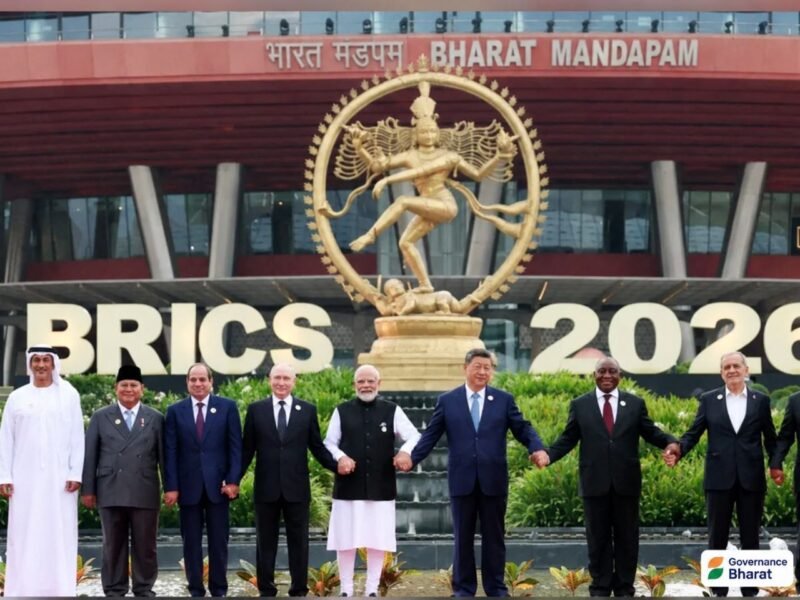
The New Delhi Declaration 2026 has placed transport connectivity at the centre of BRICS’ infrastructure cooperation, while adopting a pragmatic approach that prioritises feasible, sector-specific initiatives over ambitious cross-border corridors. Adopted at the 18th BRICS Summit in New Delhi, the declaration seeks stronger cooperation in transport infrastructure, logistics, civil aviation and sustainable mobility.
A key focus is the development of sustainable and resilient transport systems capable of supporting trade, supply-chain stability and long-term economic growth. BRICS members have backed greater cooperation in civil aviation and the development of Sustainable Aviation Fuel (SAF), alongside efforts to integrate circular-economy principles into transport infrastructure.
The declaration also supports progress towards a BRICS Railway Research Network, creating scope for cooperation in railway technology, research and operational practices. A logistics supply-chain cooperation framework further signals an effort to improve coordination across transport and freight systems.
Policy Impact
The transport agenda could strengthen BRICS’ ability to build more resilient supply chains, improve connectivity and support sustainable infrastructure investment. For India, the framework creates opportunities to expand cooperation in railways, aviation, logistics and green transport technologies while using existing bilateral and sectoral links as practical building blocks. However, implementation will depend on national priorities, financing, regulatory coordination and geopolitical conditions across member countries.
Why It Matters
The declaration indicates a shift from broad connectivity ambitions towards incremental, implementable transport cooperation. By combining infrastructure development with logistics resilience, railway research and cleaner aviation, BRICS is seeking to align transport policy with trade competitiveness, energy transition and sustainable development.