
States Become the New Route for India’s UCC Roadmap Ahead of 2029
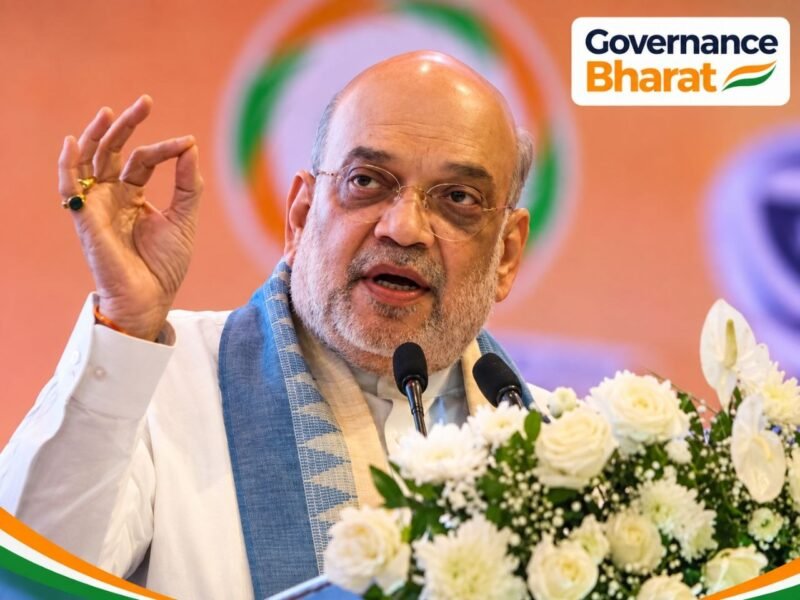
Union Home Minister Amit Shah has set a clear political and administrative roadmap for the Uniform Civil Code (UCC) stating that BJP-led National Democratic Alliance (NDA) governments in all 21 states are expected to introduce the framework before the 2029 Lok Sabha elections. The announcement underlines a state-driven approach rather than an immediate nationwide legislative route through Parliament.
The strategy builds on the implementation experience of states that have already moved towards common civil-law frameworks. Uttarakhand became the first state in independent India to implement a comprehensive UCC, while Gujarat subsequently passed its UCC legislation in March 2026. These developments have provided state governments with practical models for addressing marriage, divorce, inheritance, succession and related civil matters.
The state route also reflects India’s federal structure, where states can legislate on several aspects of personal and civil law under the constitutional framework. Article 44 of the Constitution directs the State to endeavour to secure a Uniform Civil Code for citizens, although the provision forms part of the Directive Principles and is not directly enforceable by courts.
From a governance perspective, state-level implementation allows different administrations to develop legislation, rules and enforcement mechanisms based on local requirements before any broader national framework is considered. It also enables the Centre and NDA-ruled states to build administrative experience through phased implementation.
Shah’s 2029 target therefore signals a federal, phased and state-led pathway for expanding the UCC, making state legislatures a key platform in the next stage of the policy process.