Nepal’s Climate Compensation Demand: A Governance and Climate Justice Perspective
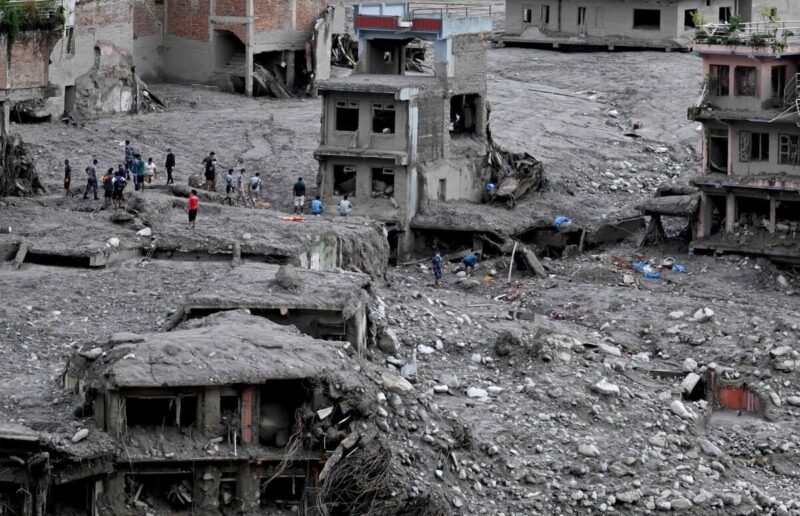
Nepal has intensified calls for climate compensation and loss-and-damage financing following a devastating flash flood in the Himalayan region. The government argues that Nepal contributes only marginally to global greenhouse-gas emissions while facing disproportionate climate-related risks, including floods, landslides, glacier melt and glacial lake outburst floods.
Nepal’s position places greater emphasis on the principle of climate justice and differentiated responsibility. Its latest climate policy documents highlight the country’s limited emissions contribution and growing financial requirements for adaptation, resilience and recovery from climate-related losses.
The demand also brings renewed attention to the Loss and Damage Fund established under the UN climate framework. Nepal has sought international support for disaster-related losses, while the wider system continues to face questions over the scale, accessibility and adequacy of available financing.
From a governance perspective, the issue underscores the need for transparent climate-finance mechanisms, stronger disaster-risk management, early-warning systems and predictable international funding. However, determining legal liability for individual countries or linking specific disasters directly to particular emitters remains scientifically, politically and legally complex.
Nepal’s initiative therefore represents more than a request for financial assistance. It highlights a broader global governance challenge: how responsibility for climate-related loss and damage should be shared between high-emitting countries and climate-vulnerable developing nations.