OIL Green Energy Signs MoUs with Haryana Government for Waste-to-Clean-Energy Projects
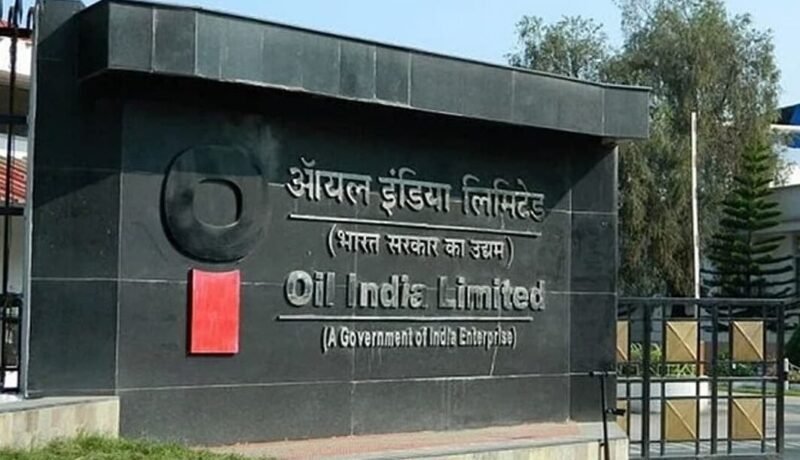
OIL Green Energy Limited (OGEL), a wholly owned subsidiary of Oil India Limited, has signed Memoranda of Understanding (MoUs) with the Haryana Government for the development of multiple integrated waste-to-clean-energy projects in the state. The initiative covers Gurugram, Faridabad, Hisar and Ambala, with the objective of strengthening scientific municipal solid-waste management and promoting renewable energy generation.
The proposed projects will collectively process around 5,000 tonnes of municipal solid waste per day. The facilities will adopt an integrated approach involving waste segregation, recycling, processing and energy recovery. The biodegradable fraction of municipal waste will be utilised for the production of Compressed Biogas (CBG), while suitable non-recyclable waste will be processed through Waste-to-Energy facilities for electricity generation.
Together, the projects are expected to produce approximately 70–75 tonnes per day of CBG and around 50 MW of green power. The initiative is aligned with the broader objectives of promoting a circular economy, reducing landfill dependency and converting waste into productive resources.
From a governance perspective, the projects represent an important step towards improving urban sanitation, environmental sustainability and clean-energy infrastructure. Scientific processing of municipal waste can help address challenges associated with unmanaged waste accumulation while supporting resource recovery and renewable energy generation.
The collaboration also reflects the growing role of public-sector energy enterprises in supporting state-level environmental and infrastructure priorities. By integrating waste management with energy production, Haryana can strengthen its Waste-to-Wealth framework and improve the efficiency of municipal waste utilisation.
The proposed projects are expected to contribute to cleaner urban environments, enhanced waste-processing capacity and diversification of the state’s renewable-energy portfolio. The facilities are targeted for completion and operationalisation by October 2028.
Overall, the MoUs mark a significant step towards establishing sustainable waste-management systems in Haryana and advancing the government’s priorities of clean cities, circular economy, renewable energy and environmentally responsible urban development.