
West Asia Conflict Pushes India’s Net Oil and Gas Import Bill Up 43% in April-July
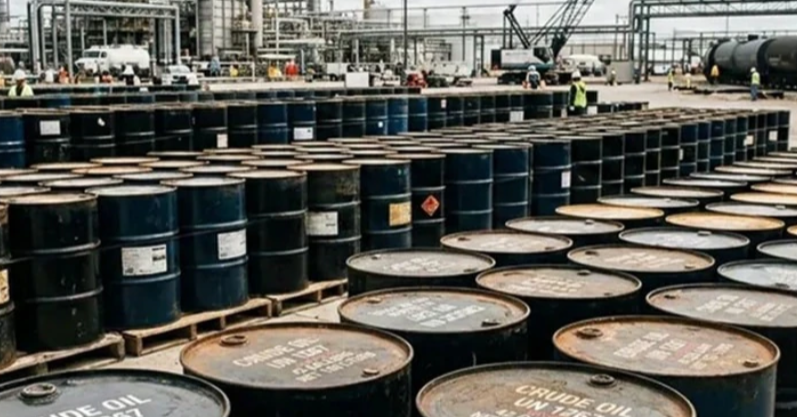
India’s net oil and gas import bill rose sharply by 43.4 per cent to $57.8 billion during April-July 2026, compared with $40.3 billion during the corresponding period of the previous year. The increase reflects the impact of the ongoing conflict in West Asia, which has disrupted energy supply routes and pushed international oil and gas prices higher.
According to provisional petroleum-sector data, the rise in the import bill has occurred despite only a marginal change in the physical volume of energy imports. This indicates that the primary pressure has come from higher international prices rather than a substantial increase in India’s import requirements. Crude oil imports during the period were around 81.9 million metric tonnes, broadly comparable with 81.5 million metric tonnes in the year-ago period.
The conflict has created significant uncertainty across global energy markets, particularly around the Strait of Hormuz, a critical route for international oil and gas shipments. India remains substantially dependent on imported energy, making international price movements an important factor for the domestic economy.
The higher energy import bill has wider implications for India’s trade balance, current account, inflation and currency stability. India imports a large share of its crude oil requirements and sustained increases in international crude prices can raise the cost of energy-intensive economic activities and place additional pressure on domestic fuel and transportation costs.
The situation has also encouraged India to strengthen its energy security and supply diversification strategy. Indian refiners and energy companies have been exploring alternative sources and routes to reduce exposure to disruptions in traditional West Asian supply chains. Recent developments include efforts to diversify LPG supplies and increase sourcing from countries outside the Gulf region.
The government’s broader policy response is therefore centred on maintaining adequate domestic energy availability while reducing vulnerability to external geopolitical shocks. Expansion of domestic energy infrastructure, diversification of import sources, strategic reserves, renewable energy deployment and greater use of alternative fuels can contribute to long-term resilience.
The latest figures underline the importance of building a more diversified and resilient energy ecosystem. While global geopolitical developments remain outside India’s direct control, strengthening domestic capacity and expanding alternative supply arrangements can help moderate the economic impact of future international energy disruptions.
The 43.4 per cent increase in the net oil and gas import bill during the first four months of FY2026-27 thus highlights both the immediate economic cost of the West Asia crisis and the strategic importance of India’s ongoing efforts towards energy security, supply-chain resilience and reduced external vulnerability.