Supreme Court Questions Limits on Compensation in Nuclear Accidents
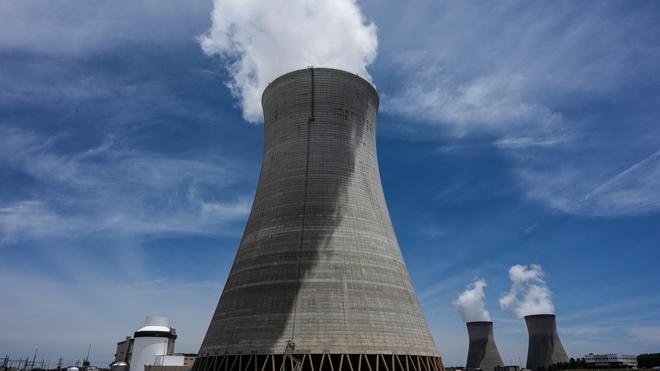
The Supreme Court has sought clarity from the Centre on whether courts would be precluded from awarding fair and just compensation in the event of a nuclear accident under the provisions of the SHANTI Act.
The issue assumes significance as the legislation permits private companies to establish and operate civil nuclear power plants, while prescribing a statutory framework governing liability in the event of a nuclear incident. A key concern before the Court is whether the liability framework could restrict judicial intervention where the actual loss suffered by victims is substantially higher.
Under the present provisions, private operators are reportedly exempted from liability beyond ₹3,000 crore in the event of an unfortunate nuclear incident. The Supreme Court’s query therefore raises important questions relating to victim compensation, judicial review, operator liability and access to justice.
The Court’s intervention highlights the need to balance the objectives of expanding India’s civil nuclear energy sector with the constitutional and legal requirement of providing adequate remedies to affected persons. A compensation regime must ensure that victims are not left without effective relief merely because statutory liability has been capped.
The proceedings also bring into focus the broader regulatory architecture governing nuclear safety, accountability and private participation in the sector. The Centre’s response is expected to clarify the extent to which statutory liability limits operate alongside the courts’ powers to ensure equitable relief.
The matter is significant from a governance perspective as India seeks greater private-sector participation in nuclear energy while strengthening safety standards, regulatory accountability and public-interest safeguards.