Supreme Court Exposes Civic-Bureaucratic Nexus Behind Illegal Constructions, Seeks Nationwide Reform Measures
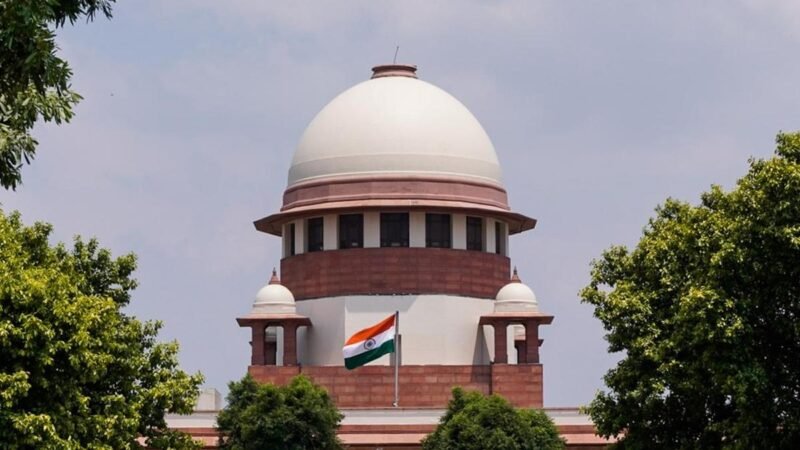
The Supreme Court has raised serious concerns over widespread violations of building bye-laws across the country, flagging the alleged active connivance of municipal authorities in facilitating unauthorised constructions and allowing violations of sanctioned building plans. The Court has questioned the accountability of civic bodies, observing that illegal constructions frequently flourish because officials fail to enforce regulations at the appropriate stages.
A bench of Justice B.V. Nagarathna and Justice Sanjeev Sachdeva, hearing the matter in Loganathan v. State of Tamil Nadu, expressed concern that municipal inspections often take place only after buildings have been completed, making regulatory intervention ineffective. Justice Nagarathna questioned the alleged payments involved in obtaining building approvals, avoiding inspections and preventing demolition of unauthorised structures.
The Court observed that unauthorised constructions often continue with the active connivance of municipal authorities, anticipating that state governments may subsequently regularise such violations, particularly before elections. It also highlighted the misuse of residential properties for commercial activities, including hotels, gaming parlours, software companies and eateries.
Emphasising that cities are shared civic spaces, the Court noted that violations of building regulations directly affect roads, drainage systems, traffic capacity and the overall quality of urban infrastructure. It linked compliance with building rules to citizens’ fundamental duties under Article 51A of the Constitution.
States Asked to Propose Corrective Measures
The Supreme Court has directed State Governments and Union Territories to submit affidavits through responsible officers suggesting measures to address unauthorised construction and failures in municipal enforcement. Municipal corporations will coordinate with the respective state-level authorities.
The Court has limited the nationwide proceedings to systemic reforms rather than individual property disputes, allowing affected parties to approach competent municipal authorities, tribunals or High Courts for individual relief. The matter is scheduled for further consideration on January 6, 2027.
Governance Impact: The proceedings place municipal accountability, transparent building approvals and strict enforcement of urban planning regulations at the centre of India’s urban governance agenda. Effective monitoring could help prevent illegal construction, protect public infrastructure and strengthen the rule of law in rapidly expanding cities.