
UP Tightens Drug-Control Framework Around Educational Institutions
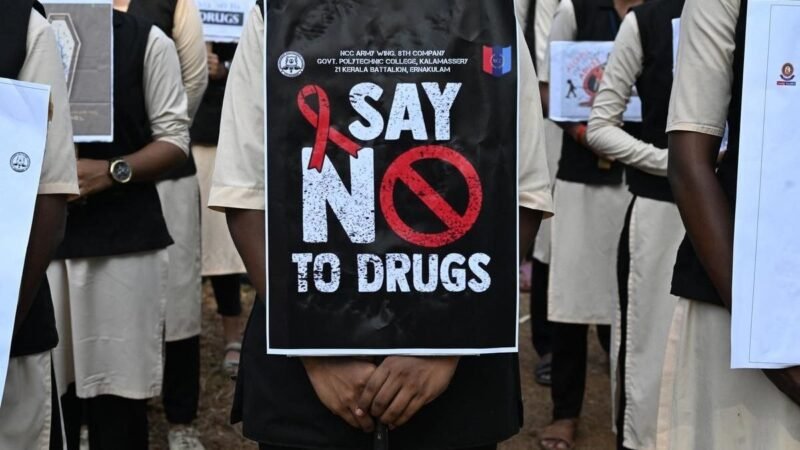
Uttar Pradesh is set to strengthen its drug-prevention framework by creating drug-free zones within a 500-metre radius of educational institutions, restricting the sale and distribution of intoxicating substances in these areas.
The proposed measure places educational campuses at the centre of a broader governance strategy aimed at preventing young people from gaining access to narcotic and other prohibited substances. The 500-metre buffer zone is intended to create a regulated environment around schools, colleges, universities and other educational institutions, with enforcement agencies expected to monitor compliance.
The initiative reflects a preventive approach to drug control, combining regulation, enforcement and institutional responsibility. Restricting commercial access to intoxicating substances around educational campuses can strengthen the protective environment for students while enabling authorities to identify and act against violations more effectively.
From a governance perspective, the policy requires coordination among district administration, police, education authorities and local enforcement agencies. Effective implementation will depend on mapping institutions, identifying establishments operating within the restricted radius and ensuring regular inspections and enforcement action wherever violations are detected.
The proposed framework also places emphasis on prevention rather than relying solely on action after substance-related offences occur. Educational institutions can play an important role through awareness programmes, counselling and early identification of students vulnerable to substance abuse.
For Uttar Pradesh, the proposed 500-metre drug-free zone represents a targeted regulatory intervention focused on protecting educational spaces. Its broader impact will depend on consistent enforcement, inter-departmental coordination and sustained awareness measures across districts.