Beyond Road Construction: NHAI’s Next-Generation Roadmap Targets Safer, Smarter and More Durable National Highways
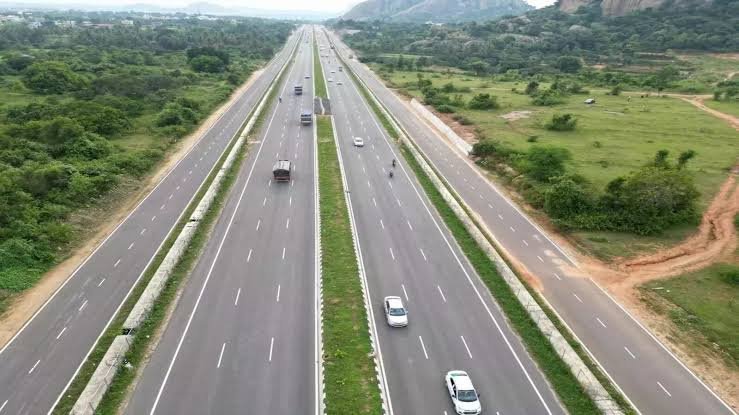
India’s national highway development strategy is entering a new phase with the focus shifting from expanding road networks to improving infrastructure quality, road safety, operational efficiency and long-term asset management. In an assessment published on November 24, 2026, former NHAI Chairman N.N. Sinha outlined a roadmap for transforming national highways through technology-driven monitoring, predictive maintenance and stronger institutional accountability.
Technology-Led Highway Management: NHAI is progressively integrating Artificial Intelligence, drones, satellite imagery and Network Survey Vehicles into highway monitoring. Its Data Lake 3.0 platform and integration with PM Gati Shakti are strengthening digital coordination, project monitoring and infrastructure planning. AI-enabled dashcams can identify more than 30 categories of highway defects while satellite-based monitoring can help detect potential geological risks in vulnerable hilly stretches.
Predictive Maintenance and Construction Quality: The proposed approach emphasises identifying pavement deterioration before it becomes a major problem. NHAI’s Automated and Intelligent Machine-aided Construction policy promotes sensor-guided construction and real-time data monitoring for eligible projects. Maintaining digital records throughout the infrastructure lifecycle can improve durability and reduce long-term maintenance costs.
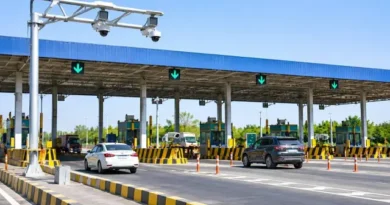
Smarter Mobility and Road Safety: Advanced Traffic Management Systems, emergency-response coordination and Multi-Lane Free Flow tolling can reduce accident risks, traffic congestion and unnecessary travel delays. The Rajmargyatra application with approximately 10 million downloads, also provides a digital interface for highway users.
Governance and Accountability: The roadmap recommends performance-based contracts, independent quality assessments and measurable maintenance targets, ensuring that contractors are evaluated on road conditions, safety and timely repairs rather than construction milestones alone.
The larger policy implication is a transition towards lifecycle-based infrastructure governance. By combining digital intelligence, preventive maintenance and transparent accountability, India can build a highway network that delivers safer mobility, stronger economic connectivity and sustainable infrastructure resilience.