NHAI Deploys Digital Insurance Monitoring at Toll Plazas, Uninsured Vehicle Owners to Receive SMS Alerts
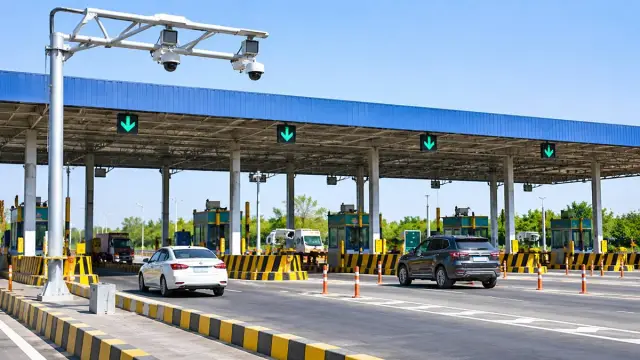
The National Highways Authority of India has initiated a technology-driven initiative to identify vehicles operating without valid third-party insurance introducing automated SMS alerts for vehicle owners crossing National Highway toll plazas. The move aims to strengthen road safety, improve regulatory compliance and encourage timely renewal of mandatory motor insurance policies.
The pilot project has been launched at the Mundka toll plaza on Delhi’s Urban Extension Road-II . Under the mechanism, vehicle registration details captured at toll plazas will be cross-verified against the VAHAN database maintained by the National Informatics Centre.
If the system detects an expired or invalid third-party insurance policy an automated SMS will be sent to the registered vehicle owner within minutes of crossing the toll plaza. The notification will contain the vehicle registration number, toll-crossing time and insurance expiry date along with an advisory to renew the policy and avoid legal penalties under the Motor Vehicles Act, 1988.
Governance Highlights
The initiative represents a shift towards technology-enabled regulatory monitoring, reducing dependence on conventional roadside inspections. By integrating toll-plaza information with government transport databases, authorities can identify insurance-related non-compliance more efficiently.
Valid third-party insurance is mandatory for vehicles operating on public roads under Section 146 of the Motor Vehicles Act. Uninsured vehicles create financial and legal vulnerabilities, particularly when road accidents leave victims without adequate compensation avenues.
Importantly, the SMS notification is intended as a compliance reminder and does not itself constitute an automatic challan.
Following the stabilisation of the Delhi pilot NHAI plans to extend the mechanism across the country.
Policy Impact
The initiative could strengthen digital enforcement, improve insurance coverage and establish a more accountable highway transport ecosystem. It also reinforces the government’s broader push towards technology-led road governance and safer mobility.