Agnipath Yojana: Centre Expands Military Service Pathway Opens Regular Enrolment Route for Agniveers
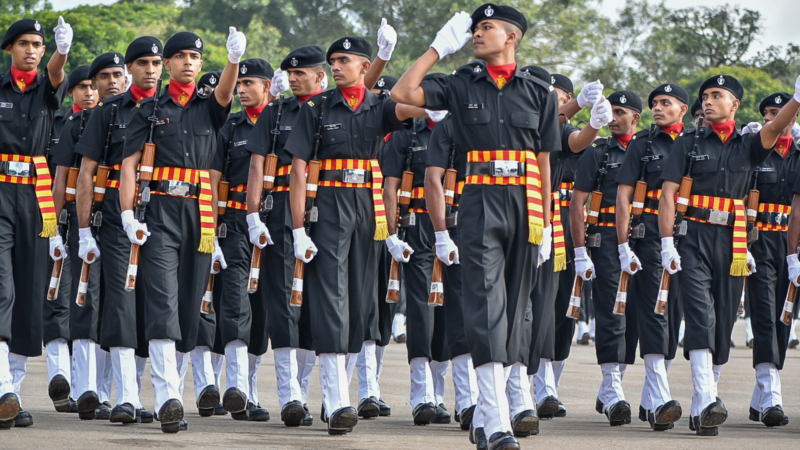
The Agnipath Yojana, launched by the Union Government in June 2022, marks a significant transformation in India’s military recruitment and manpower management framework. Designed to build a younger, fitter and technologically equipped armed force, the scheme recruits eligible youth as Agniveers for an initial four-year service period in the Army, Navy and Air Force.
Under the original framework, up to 25% of each batch could be absorbed into the regular cadre after four years, while the remaining personnel would exit with a Seva Nidhi package. However, in November 2026, the Union Cabinet approved a major expansion of the service pathway, allowing the remaining 75% of Agniveers an additional two-year engagement opportunity. Following this extended period, they will also be offered regular enrolment subject to willingness and prescribed selection criteria.
The scheme generally provides recruitment opportunities to candidates aged between 17.5 and 21 years, subject to applicable eligibility conditions. Agniveers receive structured military training, monthly remuneration, applicable allowances and a non-contributory life insurance cover of ₹48 lakh during their engagement.
The revised framework introduces a two-stage progression model, combining the initial four-year tenure with an additional two-year engagement opportunity. The second phase will provide higher remuneration, an enhanced Seva Nidhi package and seniority-related benefits.
Governance and Strategic Impact
The reform seeks to balance the armed forces’ requirement for a youthful workforce with the need for experienced personnel and long-term career opportunities. It also strengthens military skill development, technological adaptability and transparent recruitment.
The revised framework could improve personnel retention, institutional experience and career continuity. Its implementation will be critical in aligning individual aspirations with operational preparedness and India’s evolving national security requirements.