
Madhya Pradesh Cabinet Clears ₹7,000 Crore Package, Accelerates Infrastructure Expansion and Welfare Delivery
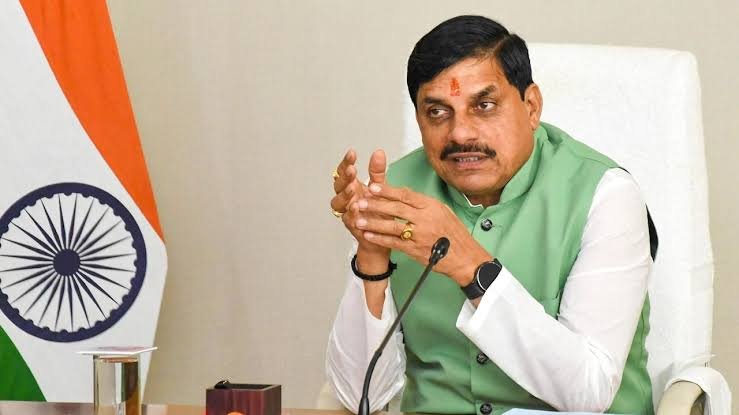
Madhya Pradesh’s cabinet has approved a development package exceeding ₹7,000 crore for infrastructure expansion, welfare initiatives and institutional strengthening, reinforcing the state government’s focus on inclusive growth and improved public service delivery. The decisions cover electricity connectivity, cooperative banking, agricultural development, administrative schemes and cultural infrastructure.
Major Financial Approvals
The cabinet approved ₹2,278.99 crore for the development of Advaita Lok at Ekatma Dham in Omkareshwar under the establishment of Vedanta Peeth. The project will be implemented during the 16th Finance Commission period from 2026-27 to 2030-31.
Additionally, ₹3,059.70 crore has been sanctioned for continuing 23 General Administration Department schemes, while ₹1,165 crore has been approved under the Chief Minister’s Discretionary Grant Scheme.
Rural Infrastructure and Institutional Strengthening
Under the first phase of the Revamped Distribution Sector Scheme ₹193.72 crore has been approved to provide electricity connections to 46,574 unelectrified households across 1,834 settlements along with 54 government and public institutions.
The cabinet also sanctioned ₹325 crore as share capital assistance for nine financially weak District Cooperative Central Banks to strengthen the rural cooperative banking system.
Further decisions include approval of the Gopal-Krishna Gram Puraskar Yojana to promote indigenous cattle breeds, improve dairy productivity and enhance farmers’ income. The election period for multipurpose Primary Agricultural Credit Cooperative Societies has also been extended by one year.
Governance Impact
The cabinet decisions reflect a multi-sector development strategy combining infrastructure investment, rural electrification, cooperative financial reforms and agricultural welfare. Effective implementation, transparent fund utilisation and timely project execution will determine how these approvals translate into tangible benefits for citizens and the state’s rural economy.