Netanyahu’s Political Survival Tested by ICC Warrant, Gaza War and Security Failures: israel election
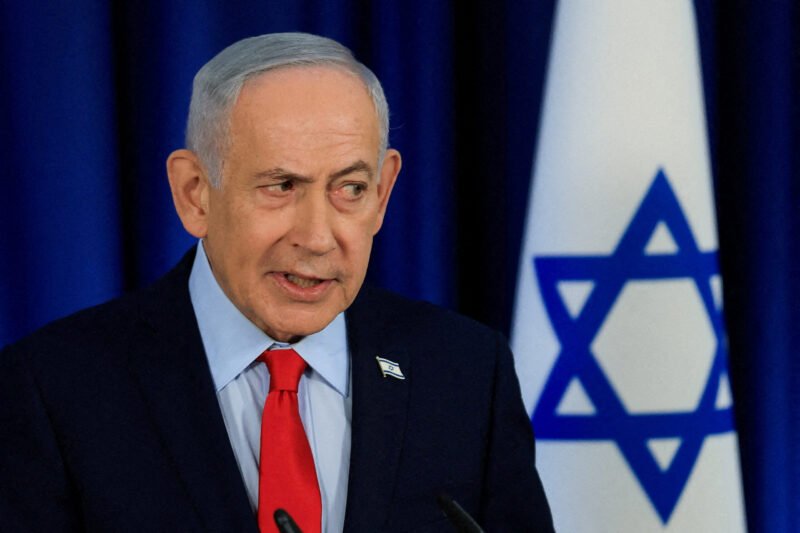
Israel’s election has become a crucial test of Prime Minister Benjamin Netanyahu’s leadership amid public scrutiny over the October 7, 2023, Hamas-led attacks, the Gaza war and the government’s security policies. The election’s outcome will influence the country’s domestic political direction, regional security strategy and international relations.
The International Criminal Court (ICC) issued an arrest warrant for Netanyahu on November 21, 2024, over alleged war crimes and crimes against humanity in connection with the Gaza conflict. The warrant represents a significant international legal challenge, although it is not a criminal conviction. Netanyahu has rejected the allegations.
Security accountability remains a major political issue with opposition figures questioning the government’s handling of the October 2023 attacks and its subsequent military response. The election also places renewed attention on the humanitarian consequences of the Gaza war, relations with the United States and Israel’s wider regional approach towards Iran and Lebanon.
Israel’s parliamentary system adds another layer of uncertainty. The 120-member Knesset requires at least 61 seats for a governing majority, making coalition negotiations crucial when no political bloc secures sufficient support independently. The role of smaller parties could therefore influence government formation and policy priorities.
Political and Governance Impact:
The election will shape Israel’s future security policy, relations with Washington, approach towards the Palestinian territories and response to international legal scrutiny. Netanyahu’s domestic corruption trial, involving charges he denies also remains a separate challenge to his political leadership.
Why It Matters:
The election highlights the intersection of national security, political accountability, international law and coalition governance. The composition of the next government will determine whether Israel maintains its existing policy direction or pursues changes in security management, regional diplomacy and relations with international institutions.
Governance Bharat Analysis:
Israel’s political future will depend not only on the distribution of parliamentary seats but also on the ability of competing political blocs to form a stable government. The result will have implications for regional stability, diplomatic engagement and Israel’s international standing.