Supreme Court Closes 23-Year Legislative Privilege Case Without Settling the Free Speech Question
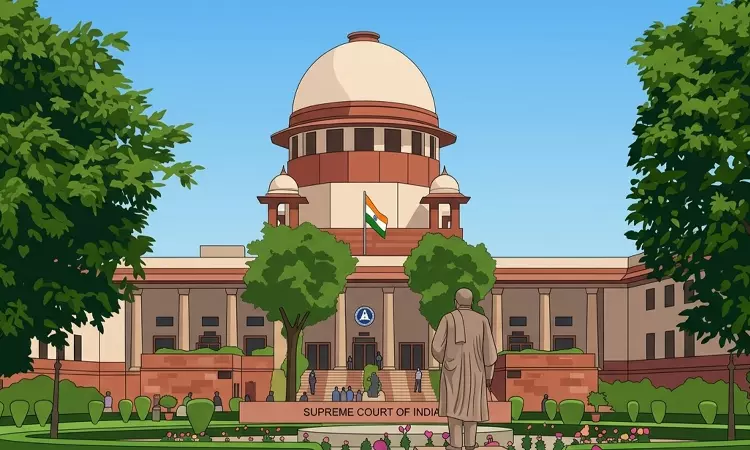
India’s constitutional debate over legislative privilege and freedom of expression remains unresolved after the Supreme Court closed a long-pending reference without determining the legal boundaries between the two. On October 6, 2026, a seven-judge Constitution Bench disposed of the proceedings as infructuous, leaving the central questions open for adjudication in an appropriate future case. The decision ended a 23-year legal journey without delivering a definitive ruling on the issue.
How the Dispute Began
The case originated in 2003 when the Tamil Nadu Legislative Assembly initiated action against journalists associated with The Hindu over reports and an editorial critical of the then state government led by J. Jayalalithaa. The Assembly invoked its breach-of-privilege powers and ordered action against the journalists. The Supreme Court intervened and stayed the arrest warrants, raising fundamental questions about the constitutional limits of legislative authority.
The matter involved the relationship between Article 194(3), which concerns the privileges and powers of state legislatures, and Article 19(1)(a), which guarantees freedom of speech and expression. Article 21, protecting life and personal liberty, also formed part of the broader constitutional debate.
Why the Court Did Not Decide the Merits
The decisive development was that the Tamil Nadu Assembly had withdrawn the contested resolution in July 2004. With the original dispute no longer active, the seven-judge Bench concluded that no live controversy remained for adjudication. The Court therefore closed the proceedings while expressly keeping the questions of law open for a future case.
Governance and Constitutional Impact
The outcome leaves an important question unanswered: how far can legislative privilege extend when it conflicts with press freedom and citizens’ fundamental rights? Legislative privilege protects the independent functioning of elected Houses, but its scope becomes contentious when action is taken against individuals for reporting or criticism outside the legislature.
For journalists, media organisations and citizens scrutinising public institutions, the absence of a definitive ruling means that the constitutional limits of such proceedings remain unsettled. A future case involving a live dispute may provide the Supreme Court with an opportunity to clarify the balance between legislative autonomy, accountability and freedom of expression.
Governance Bharat Perspective: The case highlights the importance of timely constitutional adjudication. While courts must decide live disputes rather than abstract questions, prolonged uncertainty over fundamental rights and legislative powers can leave critical democratic safeguards dependent on future litigation.