Kanpur’s ₹20,900-Crore Infrastructure Push: Metro Expansion, Road Modernisation and Railway Upgrades to Reshape Urban Mobility
Kanpur is set for a major infrastructure upgrade under a development package worth approximately ₹20,900 crore, covering metro connectivity, road modernisation, railway infrastructure, power generation and wastewater management. The projects aim to improve urban mobility, strengthen industrial connectivity and support the city’s long-term economic development.
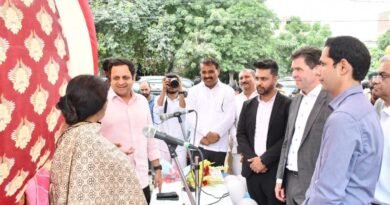
The infrastructure package was inaugurated or taken forward through foundation-stone ceremonies during Prime Minister Narendra Modi’s visit to Kanpur on May 30, 2025. Key initiatives include the expansion of Kanpur Metro, improvements to major roads and railway crossings and investments in electricity generation and water management.
Metro Expansion to Strengthen Urban Connectivity
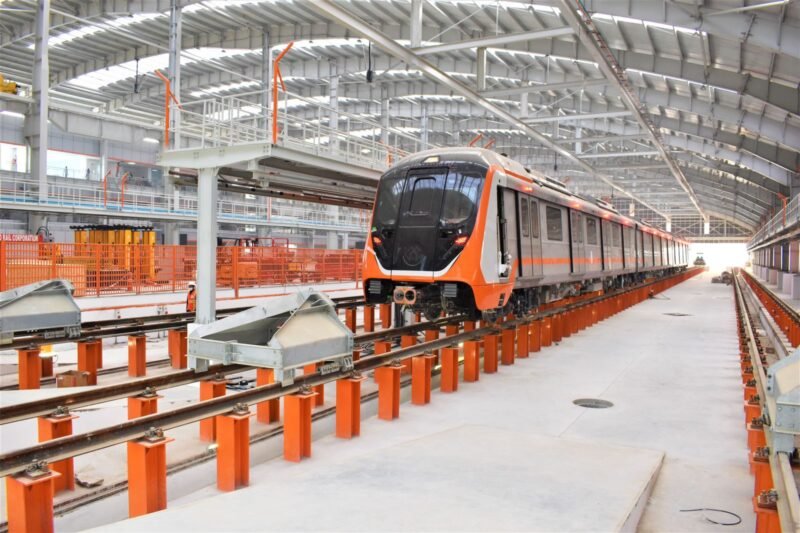
A key component is the Chunniganj–Kanpur Central section of Kanpur Metro, developed at a cost exceeding ₹2,120 crore. The section includes five underground stations, connecting important commercial and urban areas. The expansion is expected to provide commuters with an alternative to congested roads and improve access to major city destinations.
Road and Railway Upgrades to Reduce Congestion
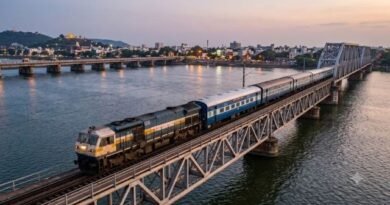
The package includes widening and strengthening of GT Road, improvements to Gauria Pali Marg and a proposed four-lane road connecting Narwal Mode on the Prayagraj Highway with the Kanpur Defence Corridor. Railway overbridges at Panki Power House and Panki Dham crossings are also part of the infrastructure programme, targeting traffic bottlenecks and improved industrial freight movement.
Power and Water Infrastructure for Industrial Growth
Energy investments include the ₹8,300-crore-plus Panki Thermal Power Extension Project and the Ghatampur Thermal Power Project, valued at over ₹9,330 crore. A 40-million-litres-per-day tertiary wastewater treatment plant at Bingawan is intended to support treated-water reuse and resource conservation.
Governance Impact
The package links urban transport, industrial access, energy security and water management within a broader infrastructure strategy. Its economic benefits will depend on timely execution, effective coordination between agencies and sustained maintenance. For Kanpur, successful delivery could improve commuter mobility, strengthen industrial logistics and support more sustainable urban growth.