Pumped Storage Projects: Strengthening India’s Energy Security and Grid Stability
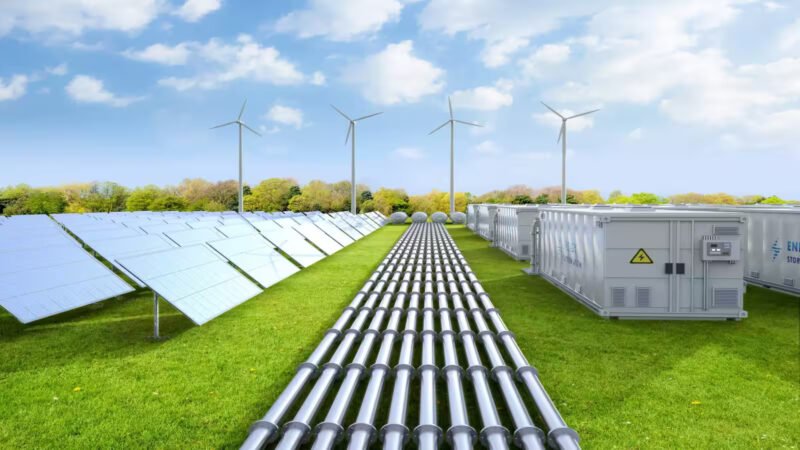
India’s pumped storage projects are emerging as a critical component of the country’s clean energy transition, offering a reliable mechanism to balance electricity demand and supply as renewable power capacity expands. With solar and wind generation fluctuating according to weather conditions, large-scale energy storage is becoming essential for maintaining grid stability and ensuring uninterrupted electricity supply.
Pumped storage hydropower works by moving water between two reservoirs at different elevations. During periods of surplus electricity, water is pumped to the upper reservoir. When electricity demand rises, the stored water is released through turbines to generate power. This process enables the system to store energy and supply it when required.
Unlike conventional battery storage, pumped storage facilities can provide large-scale, long-duration energy storage, frequency regulation and peak-load management. They can also reduce dependence on coal-based power plants for meeting short-duration demand surges and help integrate a greater share of renewable electricity into the national grid.
Governance and Policy Impact
The expansion of pumped storage projects can strengthen India’s energy security by improving the flexibility and resilience of its power system. These projects can support the government’s renewable energy objectives, reduce the curtailment of surplus green electricity and improve the utilisation of existing generation and transmission infrastructure.
However, their development requires substantial capital investment, land acquisition, environmental clearances and careful water-resource management. Project delays and high construction costs can also affect financial viability. Transparent approvals, robust feasibility assessments and stronger coordination between central and state agencies will be essential for timely execution.
Strategic Significance
Pumped storage is not a primary source of new energy; it stores electricity for use at a later time, with some energy lost during the process. Its strategic value lies in making renewable power more dependable and dispatchable. Accelerating viable projects can help India build a more flexible, reliable and lower-carbon electricity system while supporting rising industrial demand and long-term economic growth.