
Uttar Pradesh Plans Seven New Namo Bharat Corridors to Expand Regional Connectivity
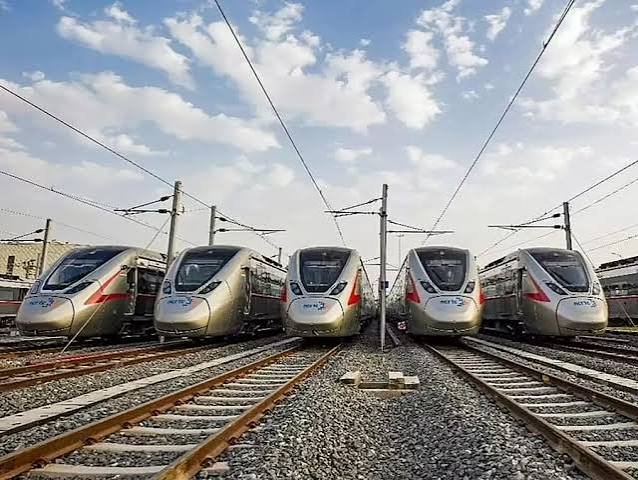
Uttar Pradesh is planning to expand its regional rapid transit network through seven proposed Namo Bharat corridors with connectivity plans covering Hapur, Bulandshahr, Muzaffarnagar and Baghpat, alongside potential links between Kanpur, Lucknow and Ayodhya. The proposed expansion signals a broader infrastructure strategy to improve inter-city mobility, strengthen economic linkages and reduce dependence on road-based transportation.
The proposed corridors could extend the benefits of rapid rail connectivity beyond the existing Delhi–Meerut Namo Bharat corridor, connecting more districts to major urban, industrial and commercial centres. The inclusion of western Uttar Pradesh districts is particularly significant, given the region’s growing urbanisation, industrial activity and economic integration with the National Capital Region (NCR).
The proposed Kanpur–Lucknow–Ayodhya connectivity plan could also strengthen links between major employment centres, the state capital and an important religious tourism destination. If implemented, improved rail connectivity could support passenger movement, facilitate tourism and improve access to economic opportunities across the state.
However ,the proposed routes should be distinguished from approved and operational projects. Their implementation would depend on feasibility studies, route alignment, passenger demand assessments, funding arrangements, inter-agency coordination and the necessary government approvals. Detailed project timelines, costs and construction schedules would need to be established before the corridors move into execution.
Governance and Economic Impact
The proposed expansion could reshape Uttar Pradesh’s regional mobility by reducing travel friction between emerging urban centres, industrial clusters and tourism destinations. Better public transport connectivity can widen access to jobs and education, encourage investment around transit stations and support more balanced regional development. For businesses, reliable passenger movement may improve workforce mobility and strengthen links between production centres and urban markets.
From a governance perspective, the key challenge will be translating the proposed network into financially viable, integrated transport infrastructure. Coordination among the Uttar Pradesh government, the National Capital Region Transport Corporation and other relevant agencies will be critical to ensure effective planning and implementation.
Policy Significance: The seven proposed corridors represent a potential next phase in Uttar Pradesh’s transport-led development strategy. Their long-term value will depend on project approvals, financial sustainability, last-mile connectivity and integration with existing rail and road networks. Until official project details are confirmed, the routes should be treated as proposals rather than sanctioned or under-construction corridors.