Supreme Court Directs Normal Public Transport, Bars Unlawful Detention of Peaceful Protesters in Delhi
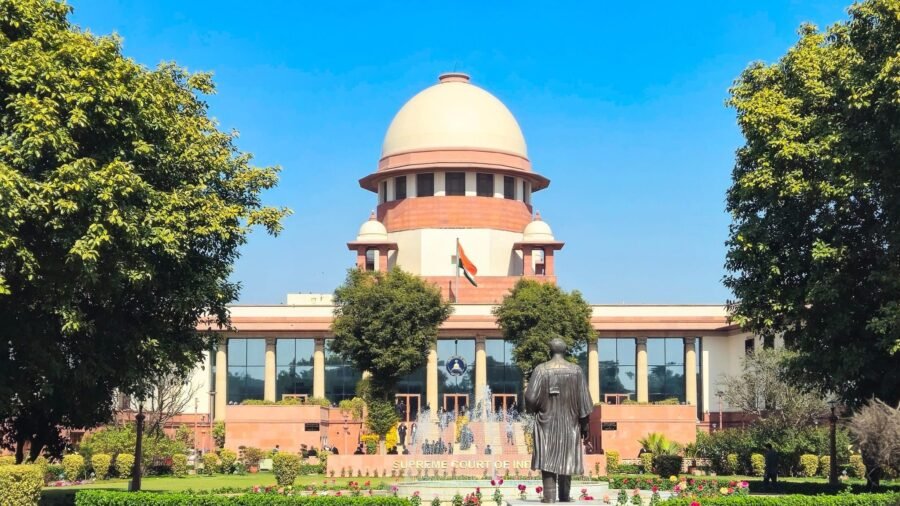
The Supreme Court of India has issued directions concerning restrictions imposed in Delhi ahead of a planned protest at Jantar Mantar, emphasising lawful policing, the continuity of public transport and the protection of citizens’ fundamental rights.
On October 11, a special bench of Justices Joymalya Bagchi and V. Mohana directed authorities to ensure that peaceful, unarmed protesters are not detained except in accordance with established legal procedures. The Court also directed that Metro and railway services operate normally, internet connectivity remain undisturbed in accordance with law, and citizens’ freedom of movement be protected, subject to lawful restrictions.
The bench further directed authorities to remove prohibitory notices around the Supreme Court complex to ensure unhindered access to justice. It sought responses from the concerned authorities, including Delhi Police, railway officials and the Delhi Metro Rail Corporation (DMRC), regarding allegations of non-compliance with its earlier directions on transport restrictions.
The proceedings followed a planned demonstration against Chief Election Commissioner Gyanesh Kumar, linked to allegations concerning the revision of electoral rolls. The Election Commission’s actions and the legality of the restrictions remain matters of public and legal scrutiny.
Governance Impact: The Court’s intervention underscores the need to balance public order management with constitutional freedoms. While authorities retain the power to impose reasonable restrictions under the law, preventive measures must have a lawful basis and should not unnecessarily disrupt essential public services or restrict access to justice.
The matter was listed for further hearing on October 13, when the authorities were expected to submit responses and compliance details. The directions do not constitute a blanket permission for demonstrations at any location; protests remain subject to applicable laws and lawful public-order restrictions.