CJP Protest Escalates Over Electoral Roll Revision, Detentions Raise Governance Questions
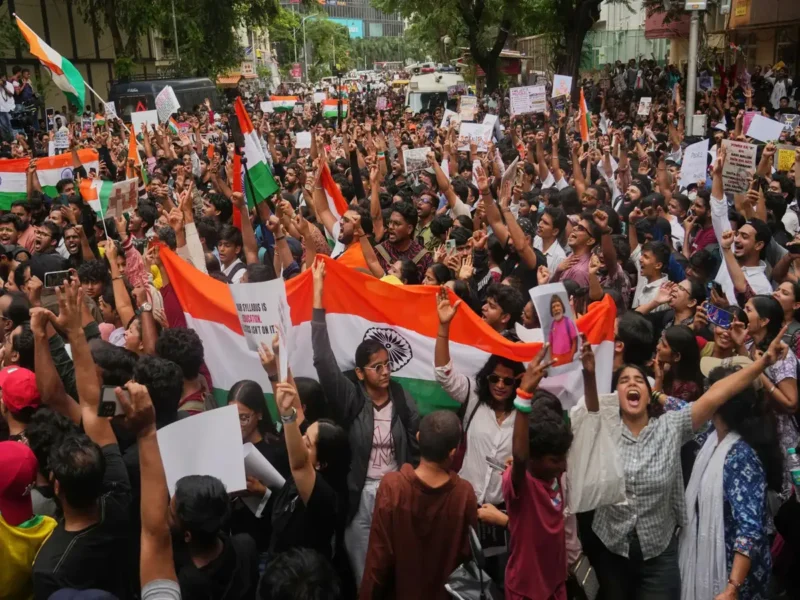
The protest led by the Cockroach Janata Party (CJP) has intensified over the Special Intensive Revision (SIR) of electoral rolls with demonstrators demanding the resignation of Chief Election Commissioner Gyanesh Kumar and raising concerns about electoral transparency and accountability. The controversy has also brought police restrictions, preventive detentions and the regulation of public demonstrations into focus.
Delhi Police denied permission for the CJP’s proposed October 10 demonstration at Jantar Mantar, citing the late submission of the application, previous non-compliance with directions and concerns over public safety, traffic management and law and order. Several CJP leaders and activists were detained during the subsequent developments and later released. CJP representatives have indicated plans to seek permission for another peaceful demonstration.
The protest centres on objections to the revision of electoral rolls which has reportedly involved the removal of more than 130 million names nationwide. Critics have questioned the process and its potential implications for eligible voters while the Election Commission has defended the exercise and maintained that voters whose names were incorrectly deleted can seek re-enrolment. Allegations of political bias remain contested.
The developments have also drawn attention to the balance between maintaining public order and protecting citizens’ rights to peaceful assembly and political expression. The Supreme Court’s intervention over detentions and restrictions has further highlighted the importance of lawful procedures in managing public demonstrations.
Governance Perspective: The episode underscores the need for transparent electoral-roll verification, accessible grievance-redress mechanisms and clear communication by public institutions. Equally, protest permissions and police action must follow established legal procedures. Ensuring electoral integrity, public safety and constitutional freedoms through accountable institutions remains central to democratic governance.