UP Solar Energy Policy 2022: ₹22,000 MW Solar Target Puts Clean Power at the Centre of Uttar Pradesh’s Energy Strategy
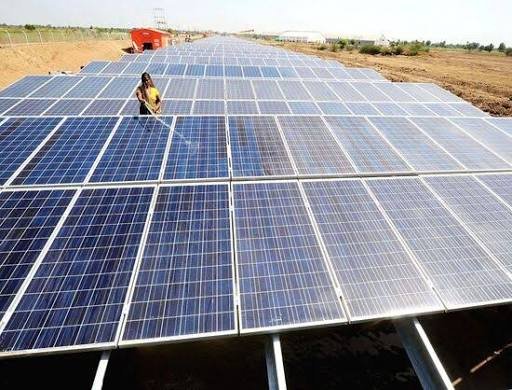
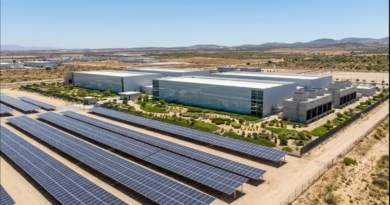
Uttar Pradesh’s Solar Energy Policy 2022 was designed to shift the state towards a more reliable, sustainable and investment-led renewable energy ecosystem. The policy targets 22,000 MW of solar power projects by 2026-27, combining utility-scale generation, rooftop solar, solar parks and decentralised agricultural applications.
A major policy thrust is the creation of an investment-friendly framework for private developers. The state provides 100% exemption from stamp duty on land used for solar power plants and solar parks, along with 100% electricity-duty exemption for up to 10 years. Utility-scale solar projects with four-hour battery storage are also eligible for a state subsidy of ₹2.5 crore per MW, strengthening the policy’s focus on both generation and energy storage.
Bundelkhand emerges as the solar infrastructure hub
The policy gives strategic importance to Bundelkhand, where a Green Energy Corridor is being developed to facilitate evacuation of 4,000 MW of solar capacity. The framework also promotes integrated solar parks on wasteland and offers private developers plug-and-play opportunities, potentially reducing infrastructure barriers for new investments.
From solar generation to mass adoption
The policy targets rooftop solarisation of around 13.5 lakh households during its policy period. Ayodhya was designated as the pilot Model Solar City with further plans for solar-city development across major municipal corporations. Agriculture is another priority, with provisions for solarising segregated agricultural feeders and grid-connected private tubewells.
The employment dimension is equally significant: the policy envisages training 30,000 youth as Surya Mitras over five years. Government buildings, educational institutions and public-sector facilities are also to be progressively covered through rooftop solar installations.
Governance Impact: The policy represents more than a renewable-energy programme; it creates an integrated framework linking clean energy, private investment, storage, infrastructure, agriculture, urban planning and green employment. Its success ultimately depends on timely grid connectivity, project execution and converting policy incentives into sustained private-sector deployment.