Nepal Floods:: Indian Volunteers Extend Relief to Isolated Communities
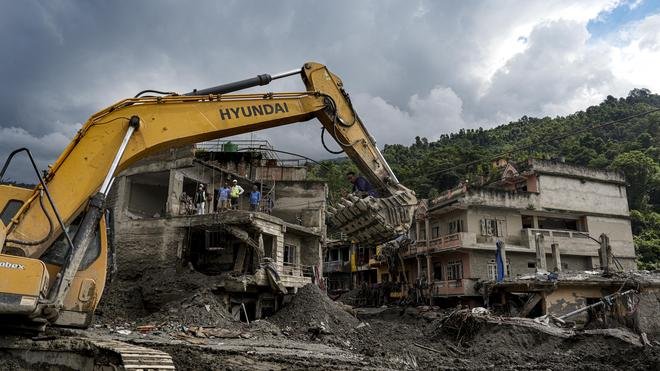
The devastating floods in Nepal have triggered a large-scale humanitarian response, with Indian volunteers and rescue personnel extending assistance to communities cut off by damaged roads, bridges and difficult mountainous terrain. The disaster, which struck northern Nepal on August 26, has caused extensive damage to settlements and critical infrastructure, creating significant challenges for relief and rescue operations.
Indian teams are supporting Nepal’s ongoing response by helping reach affected populations and contributing technical expertise to difficult rescue operations. Indian specialists have also been deployed at hydropower tunnel sites, where access remains constrained by debris, unstable conditions and damaged connectivity.
The humanitarian situation has underscored the importance of coordinated disaster management and last-mile delivery mechanisms. With several communities remaining isolated, relief agencies are relying on alternative access routes and specialised rescue methods to deliver essential supplies and locate stranded people. International and local organisations are simultaneously providing food, safe water, shelter and emergency assistance.
India’s participation reflects the importance of regional cooperation in responding to cross-border natural disasters. The ongoing relief efforts demonstrate how volunteer networks, government agencies and specialised rescue teams can complement national disaster-management systems when conventional transportation infrastructure is disrupted.
From a governance perspective, the crisis highlights the need for resilient infrastructure, rapid emergency coordination, community-level preparedness and effective last-mile connectivity in vulnerable Himalayan regions. Continued cooperation between India and Nepal can strengthen disaster response capacity and support faster recovery for affected communities.