
Battery Storage May Become Mandatory for Larger Rooftop Solar Systems as Government Pushes Round-the-Clock Clean Energy
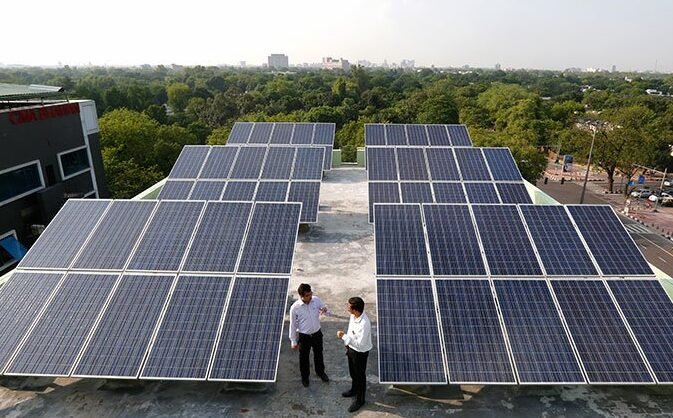
The government is proposing battery storage integration for larger rooftop solar installations to strengthen energy reliability and address the intermittent nature of renewable power. The proposed move aims to enable households and other consumers to store surplus solar electricity generated during the day and utilise it during evening hours or periods of low solar generation.
Under the draft Electricity (Rights of Consumers) Amendment Rules, 2026 State Electricity Regulatory Commissions will be authorised to determine the capacity threshold beyond which battery storage becomes compulsory. If no threshold is specified by a state regulator, the requirement will apply to rooftop solar systems exceeding 10 kW. The proposed minimum battery storage capacity will be equivalent to 20% of the system’s daily electricity generation. The provision is proposed to take effect from April 1, 2028.
Grid Stability and DISCOM Reforms: The proposal also envisages changes in the net-metering framework. State regulators may introduce charges for larger rooftop solar installations exceeding specified capacity limits, taking into account electricity network losses and energy storage costs. Smaller installations within the prescribed threshold will remain exempt.
Impact on Renewable Energy Adoption
Battery integration could improve solar power utilisation, reduce dependence on expensive evening electricity procurement and strengthen grid management. However, mandatory storage may increase initial investment requirements for larger residential and commercial consumers.
The proposal marks a policy shift from expanding rooftop solar capacity towards developing a storage-backed decentralised energy ecosystem, balancing renewable energy growth with grid stability and the financial sustainability of distribution companies.