Supreme Court Considers Pan-India Safety Framework for Student Accommodation
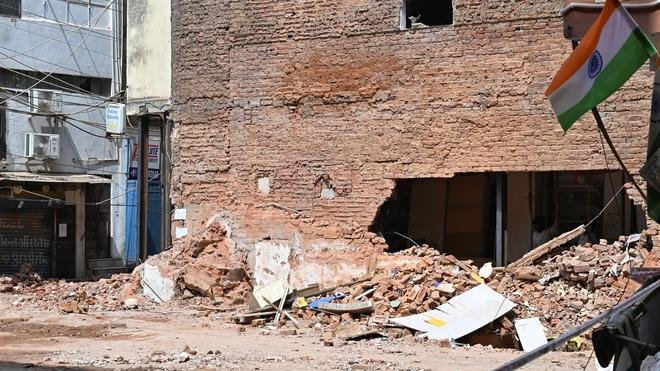
The Supreme Court has indicated that it may consider nationwide safety guidelines for student accommodation, following the tragic collapse of a building used as a paying-guest facility in Delhi’s Satya Niketan area. The incident has brought renewed attention to structural safety, regulatory compliance and the monitoring of privately operated hostels and PG facilities.
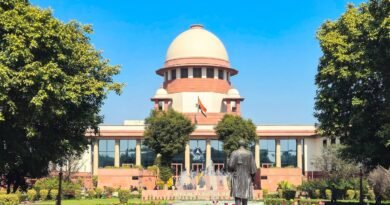
A Bench of Justices Ahsanuddin Amanullah and R. Mahadevan has taken note of concerns regarding the safety of student residences and is examining whether the ongoing judicial exercise on unauthorised constructions should be expanded to cover PG accommodations, private hostels and similar facilities located around educational institutions.
The proposed approach could strengthen preventive governance, with greater emphasis on structural inspections, verification of building permissions, compliance with building bye-laws and identification of unauthorised alterations. Such measures would help shift the regulatory system from post-incident action towards continuous safety monitoring.
The Delhi High Court has also sought detailed information from authorities on the regulatory framework governing PG hostels and directed inspections of such establishments. The court has stressed the need to examine construction permissions, building-code compliance and institutional responsibility for student accommodation.
The Supreme Court’s consideration of a broader framework highlights the importance of accountability, inter-agency coordination and uniform safety standards. A comprehensive mechanism could potentially establish clear responsibilities for municipal bodies, educational institutions, property owners and other stakeholders.
The development also underlines the need for adequate and safe hostel infrastructure for students, particularly those who relocate from other cities for higher education. Strengthening institutional accommodation, regular structural audits and transparent compliance systems can contribute to safer and more resilient urban educational ecosystems.
Overall, the judicial intervention places student safety, regulatory enforcement and responsible urban governance at the centre of policy discussions, with the objective of preventing avoidable infrastructure-related tragedies in the future.