
FSSAI Restricts Sale of Bisleri Goa Water Batch After PAH Contamination Finding
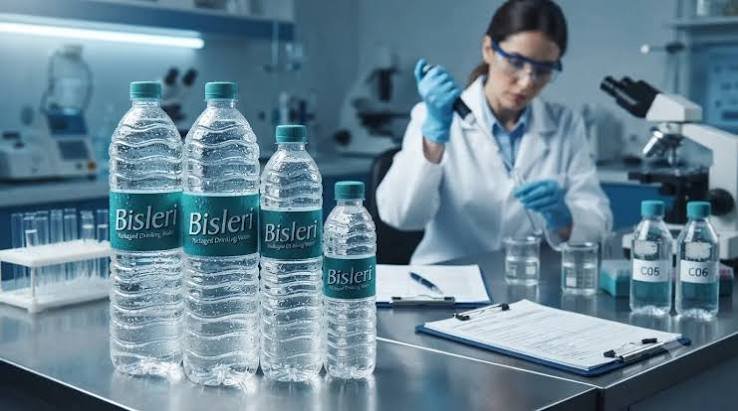
The Food Safety and Standards Authority of India has clarified its action against Bisleri following the detection of non-compliance in a packaged drinking water sample collected in Goa. The regulatory action is limited to a single identified production batch, GO 270 and does not constitute a blanket restriction on all Bisleri products.
The sample from the specific batch was found non-compliant due to the presence of Polycyclic Aromatic Hydrocarbons, a group of chemical compounds associated with environmental and industrial contamination. Following the findings, FSSAI issued a prohibition order against the sale of the identified batch.
Regulatory Findings & Testing: The sample was collected from Bisleri’s Verna facility in South Goa and identified as DO Code DO/GOA/06, Batch GO 270. The primary laboratory had initially reported bromate levels of 0.012 mg/l against the prescribed limit of 0.01 mg/l. However, the referral laboratory at Navi Mumbai subsequently found bromate levels below the quantification limit while recording PAH at 0.000144 mg/l. The referral laboratory’s findings were treated as final under the applicable testing procedure.
Company’s Position: Bisleri stated that the disputed batch was manufactured on September 27, 2025 and that no stocks from it are currently available in the market. The company also highlighted that six samples were initially cleared while subsequent testing detected PAHs in only one sample. It has sought further examination of the testing discrepancies.
Consumer Safety & Industry Impact: The episode highlights the importance of independent laboratory testing, batch-level traceability and regulatory accountability in India’s packaged drinking water industry. FSSAI has directed the company to undertake a root cause analysis to identify the source of the reported non-compliance.
Governance Perspective: The clarification is significant because it limits the prohibition to one identified batch rather than the company’s entire product portfolio. It reinforces the need for transparent quality-control systems, consistent testing standards and stronger enforcement under the Food Safety and Standards Act, 2006. The case also demonstrates how scientific testing and targeted regulatory intervention can strengthen consumer protection and confidence in packaged drinking water.