One Nation, One Election: NDA Explores Simultaneous Polls in 22 States and UTs with 2029 Lok Sabha Elections
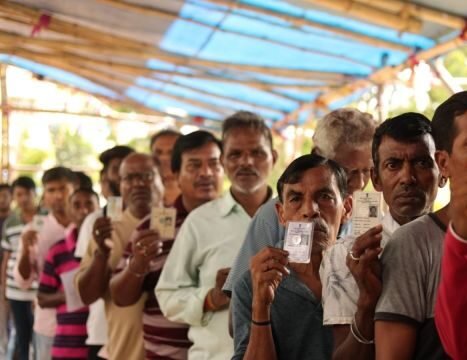
The National Democratic Alliance (NDA) is reportedly examining the possibility of holding Assembly elections in 22 states and Union Territories simultaneously with the 2029 Lok Sabha elections, potentially advancing the implementation of the proposed One Nation, One Election framework. The proposal is being considered ahead of the 2034 timeline envisaged under the legislation currently under examination.
According to reports, the plan could involve aligning the electoral cycles of NDA-ruled states by dissolving certain Legislative Assemblies before the completion of their existing terms. Of the 22 NDA-ruled states and UTs, 11 are scheduled to hold Assembly elections during the two years preceding the 2029 Lok Sabha polls. Andhra Pradesh, Arunachal Pradesh, Sikkim and Odisha already conduct their Assembly elections alongside the Lok Sabha elections.
The proposal has significant constitutional and administrative implications. The Joint Parliamentary Committee examining the Constitution (129th Amendment) Bill, 2024 and the Union Territories Laws (Amendment) Bill, 2024 is continuing consultations with state governments, legislators, legal experts and other stakeholders. The committee is expected to submit its report during the Winter Session.
If the 2029 alignment is pursued, the terms of several state Assemblies could be curtailed. Reports indicate that the Assembly terms of Goa, Gujarat, Manipur, Uttar Pradesh and Uttarakhand could be reduced by around three years, while Chhattisgarh, Madhya Pradesh, Meghalaya, Nagaland, Rajasthan and Tripura could see reductions of around four years.
The proposal has also triggered political debate over federalism, constitutional provisions and the accountability of elected state governments. While some NDA-ruled states have expressed support for simultaneous elections, opposition parties have raised concerns over the impact of shortening Assembly tenures and the broader constitutional framework.
From a governance perspective, One Nation, One Election is being presented as an electoral reform aimed at reducing the frequency of elections, streamlining administrative arrangements and enabling governments to focus more consistently on policy implementation and development programmes. The Joint Parliamentary Committee has also emphasised that simultaneous elections would not necessarily mean voting across the country on a single day, as polling could be conducted in phases according to the Election Commission’s requirements.
The proposed 2029 roadmap, however, remains under consideration and would depend on the constitutional and legislative process, as well as the position of individual state governments. The ongoing parliamentary consultations will therefore be crucial in determining the legal, administrative and federal framework for any future simultaneous-election cycle