ISIG Targets Advanced Chip Packaging and Power Electronics, Positions India for Higher-Value Semiconductor Manufacturing
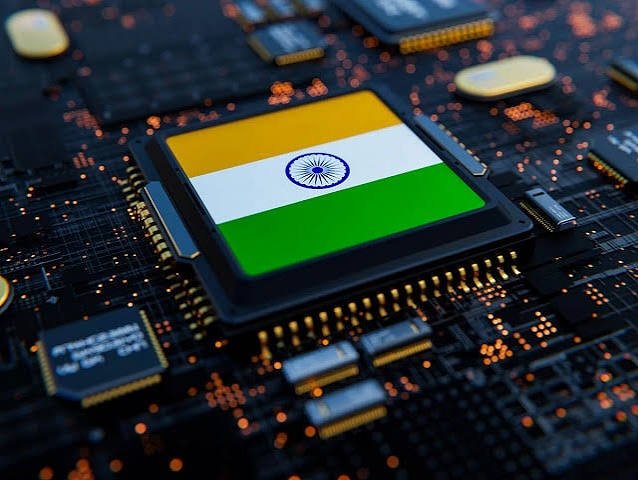
India is looking to strengthen its position in the global semiconductor industry with the International Semiconductor Industry Group focusing on advanced chip packaging, power electronics and domestic supply-chain development. The initiative aims to bring together global semiconductor executives, investors, venture capitalists and government representatives to accelerate industry collaboration and expand India’s technological capabilities.
ISIG is organising a two-day executive summit in New Delhi on November 3–4, 2026 under the theme Enabling the Intelligent Future: Advanced Semiconductors, AI, Data Centres and Power Electronics. The discussions are focused on identifying investment opportunities, strengthening manufacturing capabilities and building strategic partnerships across the semiconductor value chain.
The International Semiconductor Industry Group led by co-founder and CEO Salah Nasri, considers India an emerging destination for advanced semiconductor packaging and power electronics. ISIG India Chapter President and Paras Semiconductors CEO Santosh Kumar has emphasised the need to bridge the gap between project planning and actual manufacturing execution.
The summit is addressing advanced packaging, Outsourced Semiconductor Assembly and Test ,semiconductor design, research and development and power electronics. Special attention is being given to Silicon Carbide and Gallium Nitride, technologies which are increasingly important for electric vehicles, renewable energy systems, industrial applications and efficient power management.
Strategic and Industrial Impact
Advanced packaging is becoming a critical component of modern semiconductor manufacturing, particularly with the expansion of artificial intelligence, high-performance computing and data centres. Strengthening domestic capabilities in this segment can help India move beyond conventional chip assembly towards higher-value manufacturing and technological integration.
The initiative also creates opportunities for investment mobilisation, specialised skill development, domestic component manufacturing and stronger international partnerships. Greater participation in OSAT and power electronics could improve supply-chain resilience and reduce dependence on imported semiconductor technologies.
For India, the larger strategic objective is to establish a competitive semiconductor ecosystem that supports Make in India, technological self-reliance and deeper integration into global electronics manufacturing networks.