
RBI’s New Securitisation Rules May Squeeze Retail Debt Market Institutional Players Remain Largely Protected
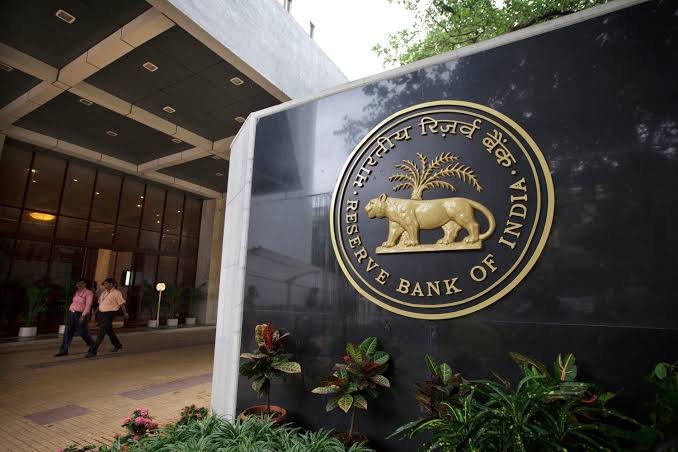
The Reserve Bank of India’s revised securitisation framework could reshape retail participation in India’s debt market, making small-ticket transactions less viable while keeping the institutional segment largely insulated from regulatory disruption.
The revised directions, issued on November 23, 2026 will come into effect from April 1, 2027. Under the amended framework, securitisation notes must be issued, held and transferred exclusively in dematerialised form. The minimum investment threshold of ₹1 crore will apply not only at the time of issuance but also to subsequent transfers.
Retail Participation Faces New Restrictions
The revised norms could significantly affect retail investors and platforms distributing securitised debt products. Small-ticket transactions backed by rental receivables, furniture leasing and other leased assets may become commercially unviable for retail distribution. The higher investment threshold and compliance requirements could restrict access to these financial instruments for individual investors.
Institutional Investors Retain Market Advantage
The broader securitisation market is expected to remain largely insulated, as approximately 90–95% of transactions are placed with institutional investors. Banks, financial institutions and other sophisticated market participants are therefore expected to experience relatively limited disruption in their existing operations.
Housing Finance and Market Implications
The revised framework has also triggered discussions around residential mortgage-backed securities . Industry experts believe that wider participation in these instruments could create additional funding channels for housing finance and reduce dependence on traditional financial intermediaries.
Governance & Economic Impact
The RBI’s intervention reflects an effort to balance investor protection with financial market development. Stronger dematerialisation requirements and higher investment thresholds are expected to improve transparency and strengthen regulatory oversight. However, tighter entry conditions could limit retail participation and slow the expansion of innovative securitisation products.
The larger policy challenge will be to strengthen investor safeguards without restricting financial innovation, market accessibility and alternative funding channels in India’s evolving debt ecosystem.