
Kashi Launches Digital Census Drive as Mayor Initiates Online Self-Enumeration: Residents Can Register Details Till November 30
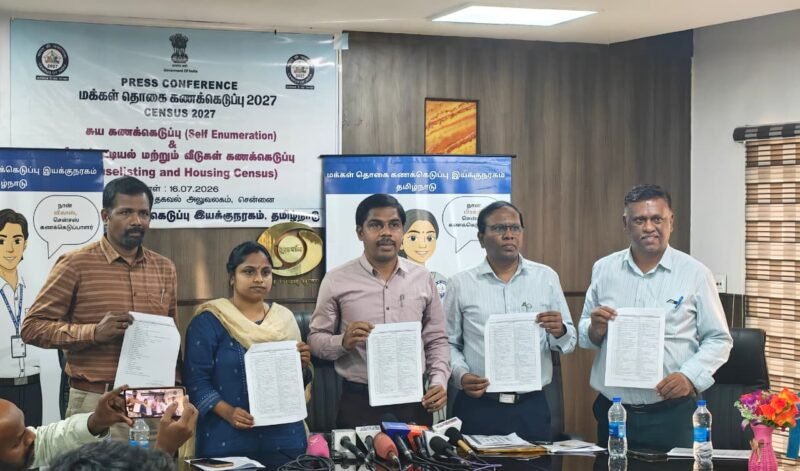
Varanasi has initiated the self-enumeration process under Census 2027 marking another step towards India’s first fully digital population census. Mayor Ashok Kumar Tiwari formally launched the initiative on November 16 by completing his own online self-enumeration at his residence in Sigra, appealing to residents to participate in the nationwide exercise.
The self-enumeration facility will remain open from November 16 to November 30, 2026. Residents can submit information about themselves and their family members through the official Census portal without waiting for the enumerators’ door-to-door visits. The online process requires households to provide information across 40 prescribed questions covering household and individual particulars.
To access the facility, residents need to visit https://se.census.gov.in, register using their mobile number and provide the required household details. After successful submission a unique Self-Enumeration ID will be generated, which must be shared with the designated enumerator during the subsequent field visit.
According to the Census schedule, physical population enumeration in Uttar Pradesh will take place from December 1, 2026 to January 4, 2027 followed by a revisional round from January 5 to 9, 2027. The reference date for the exercise is January 5, 2027.
Governance Impact: The digital initiative is aimed at improving data collection efficiency, reducing procedural delays and encouraging greater citizen participation. However, online self-enumeration will remain an additional facility rather than a replacement for conventional household surveys. Enumerators will continue visiting households including those that do not complete online registration.
The government has also emphasised that information collected under the Census Act, 1948, will remain confidential and will be used exclusively for statistical purposes and development planning. The exercise is expected to strengthen evidence-based policymaking, helping authorities plan public infrastructure, welfare programmes and essential services more effectively.