Indigenous Tejas Mk1A Squadron Set for IAF Induction by March 2027, Strengthening India’s Combat Aviation Capability
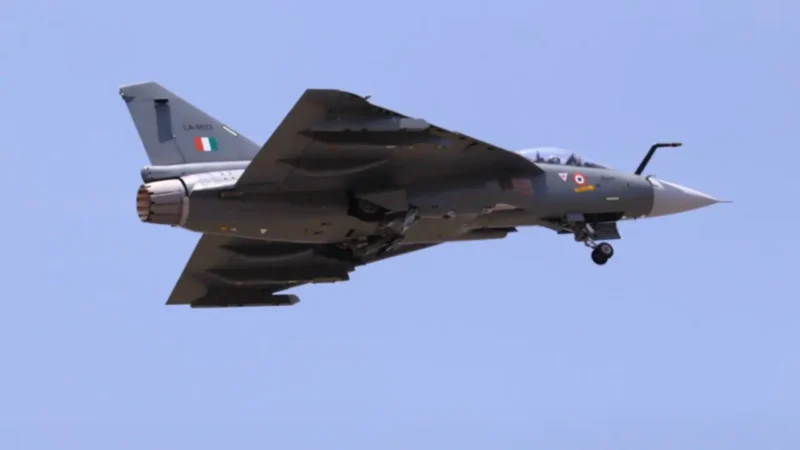
India’s indigenous fighter aircraft programme is approaching a significant operational milestone with the Indian Air Force expecting to induct its first squadron of Light Combat Aircraft Tejas Mk1A by March 2027. Air Chief Marshal Ashutosh Dixit announced on November 16 that the aircraft would join the Air Force within the current financial year marking an important step in India’s defence modernisation and indigenous aerospace manufacturing ambitions.
Speaking at the ANI National Security Summit 3.0 in New Delhi, the Air Chief confirmed that the four major improvement areas identified during the development of the aircraft had been substantially addressed in collaboration with Hindustan Aeronautics Limited. The programme is now moving towards operational induction, subject to completion of the remaining technical and acceptance requirements.
The Tejas Mk1A is an upgraded version of the indigenous Tejas fighter, featuring an Active Electronically Scanned Array radar, advanced electronic warfare systems and beyond-visual-range missile capabilities. These upgrades are designed to improve detection, tracking, survivability and combat effectiveness.
The IAF has placed orders for 180 Tejas Mk1A aircraft including an initial order for 83 fighters and a subsequent contract for 97 additional aircraft worth approximately ₹62,370 crore. However, deliveries have faced delays, primarily due to the shortage of GE Aerospace’s F404 engines and aircraft integration requirements.
The induction carries strategic importance as the IAF currently operates around 29 fighter squadrons against an authorised strength of 42, increasing the urgency of fleet modernisation.
Strategic Impact: The Tejas Mk1A programme represents more than an aircraft acquisition. It strengthens domestic defence manufacturing, expands India’s aerospace industrial ecosystem and reduces long-term dependence on foreign fighter platforms. The upcoming induction will also create momentum for the next-generation Tejas Mk2 and Advanced Medium Combat Aircraft programmes.
India’s challenge now is to convert indigenous technological capabilities into timely production, operational deployment and sustained defence readiness.