Indian Rupee Rises 24 Paise to 93.74 Against US Dollar as Crude Oil Prices Fall
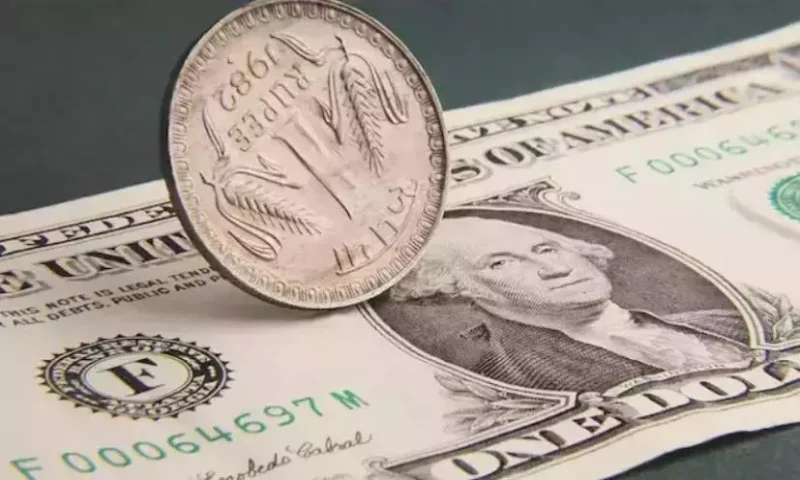
The Indian rupee strengthened against the US dollar in early trading on Monday, gaining 24 paise to reach 93.74. The recovery was supported by declining global crude oil prices, increased foreign investment inflows and improving expectations of a possible diplomatic breakthrough in the Middle East.
Currency market participants said that easing geopolitical concerns and a weaker US dollar helped improve sentiment towards the Indian currency. The possibility of reduced tensions in West Asia also eased concerns about disruptions to global energy supplies.
Rupee Opens Stronger in Currency Market
At the interbank foreign exchange market, the rupee opened at approximately 93.85 against the US dollar before strengthening to 93.74, registering a gain of 24 paise compared with its previous closing level.
On Friday, the domestic currency had already recorded a significant recovery, gaining 43 paise to settle at 93.98 against the US dollar.
The improvement reflects changing market sentiment amid lower energy prices and stronger foreign investor participation in Indian financial markets.
Declining Crude Oil Prices Support the Rupee
One of the major factors behind the rupee’s recovery has been the decline in international crude oil prices.
Brent crude, the global oil benchmark, had previously climbed to around $117.64 per barrel but subsequently slipped below the $100 mark. During Monday’s early trading, Brent crude futures were down 0.15 per cent at approximately $98.17 per barrel.
Expectations of progress in diplomatic discussions involving the United States and Iran also contributed to improved market sentiment.
US President Donald Trump indicated that further military strikes against Iran were unlikely if negotiations progressed towards a substantial agreement.
For India, which relies heavily on imported crude oil, falling international prices can help reduce the country’s import expenditure and ease pressure on demand for US dollars.
Amit Pabari, Managing Director of CR Forex Advisors, said that improving diplomatic expectations were already influencing energy prices, with the possibility of a lasting agreement becoming an important factor for currency markets.
Foreign Investor Inflows Provide Additional Support
Increased foreign investment in Indian equities also contributed to the rupee’s appreciation.
According to exchange data, Foreign Institutional Investors (FIIs) purchased Indian equities worth Rs 13,749.82 crore on Friday.
At the same time, the US dollar index, which measures the strength of the greenback against a basket of six major international currencies, declined 0.12 per cent to 102.18.
The combination of foreign capital inflows, lower crude prices and a softer dollar provided additional support to the domestic currency.
Sensex and Nifty Open Marginally Lower
Despite the positive movement in the currency market, Indian equity benchmarks opened slightly lower on Monday.
The BSE Sensex declined by 93.95 points to 80,919.19, while the NSE Nifty dropped 30 points to 24,968.80 during early trading.
The contrasting movements in the currency and equity markets indicated that investor sentiment remained influenced by several domestic and international factors.
Forex Experts See Scope for Further Rupee Appreciation
Market experts indicated that the rupee could strengthen further if crude oil prices remain under control and geopolitical tensions continue to ease.
According to Amit Pabari, the USD/INR exchange rate moving below the 94 level has increased the possibility of the rupee moving towards 93.50 and potentially 93.00.
He also identified the 94.40–94.50 range as an immediate resistance zone for the currency pair.
However, the rupee’s future movement will depend on international crude prices, foreign investment trends, US dollar movements and developments in the Middle East.
What Does a Stronger Rupee Mean for India?
A stronger rupee can have several implications for the Indian economy, particularly because the country imports a substantial portion of its crude oil requirements.
Some potential benefits include:
- Lower import costs: A stronger rupee can reduce the domestic currency cost of imported crude oil and other commodities.
- Relief for oil companies: Lower crude prices and favourable exchange rates can help reduce import-related expenses.
- Foreign education and travel: International education and overseas travel expenses may become relatively less expensive when the rupee strengthens.
- Inflation management: Lower import costs can help reduce imported inflationary pressure.
- Currency market confidence: Stronger foreign investment inflows can improve sentiment towards Indian financial markets.
However, the actual economic impact will depend on how long the currency appreciation and lower crude prices are sustained.
Conclusion: The rupee’s early-trading recovery to 93.74 against the US dollar on November 9 reflected improving external conditions, including softer crude oil prices and stronger foreign investment inflows. Going forward, global energy prices, geopolitical developments and international capital movements will remain important factors influencing the Indian currency.