Stand-Up India Scheme Extended Till March 2031 to Strengthen Inclusive Entrepreneurship
Stand-Up India Scheme Extended Till March 2031 to Strengthen Inclusive Entrepreneurship
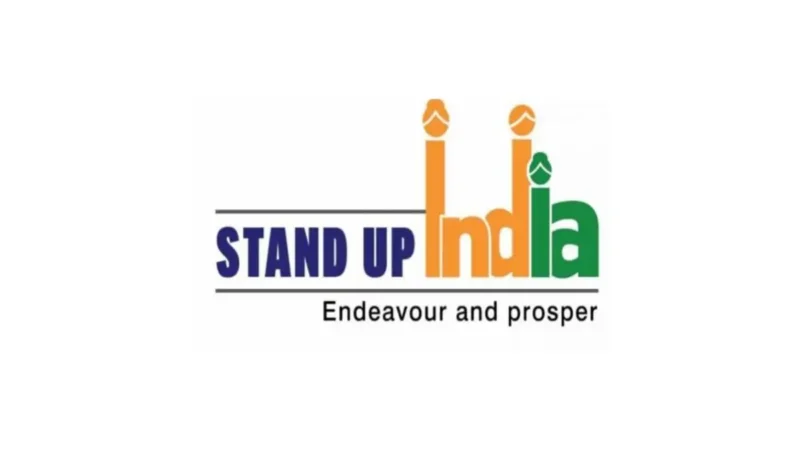
The Central Government has extended the Stand-Up India Scheme until March 31, 2031 reinforcing its commitment to expanding access to institutional finance and promoting entrepreneurship among women and Scheduled Caste and Scheduled Tribe communities.
The scheme, launched in April 2016, facilitates bank loans ranging from ₹10 lakh to ₹1 crore for setting up greenfield enterprises in manufacturing, services, trading and allied agricultural activities. It aims to ensure that historically underserved sections of society become active participants in India’s formal business ecosystem.
Under the framework, every scheduled commercial bank branch is encouraged to support at least one SC/ST borrower and one woman entrepreneur for establishing a greenfield enterprise. The initiative addresses a critical structural challenge in India’s MSME ecosystem limited access to affordable credit, particularly for first-generation entrepreneurs without established financial histories or collateral support.
The extension provides policy continuity for aspiring entrepreneurs and strengthens the government’s broader agenda of inclusive economic growth, employment generation and grassroots industrial development. It also creates opportunities for greater participation of women-led enterprises and socially disadvantaged communities in local manufacturing, services and commercial activities.
From a governance perspective, the scheme’s continued implementation will depend on effective bank-level outreach, timely loan disbursement, awareness campaigns and post-credit handholding. Access to finance must be complemented by business mentoring, market linkages and institutional support to improve enterprise survival and expansion.
The extension also reinforces the role of financial institutions in converting social inclusion into productive economic participation. Its long-term impact will be measured not merely by loan sanctions but by sustainable enterprises, employment creation and stronger representation of women and SC/ST entrepreneurs in India’s formal economy.