Indian Bank Targets ₹100 Crore EV Charging Loans in FY27, Positions Green Mobility as Emerging MSME Growth Opportunity
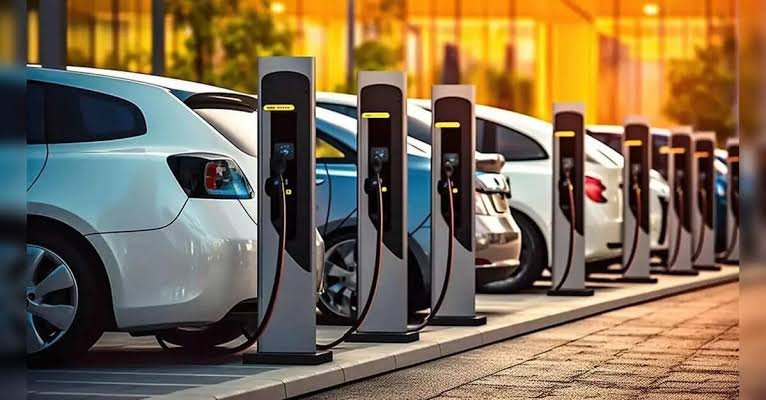
Indian Bank has set a lending target of ₹100 crore for electric vehicle charging infrastructure under its newly launched ‘IND Green Charge’ financing scheme for FY27, signalling a strategic expansion into India’s rapidly growing green mobility and sustainable infrastructure sector.
The initiative is designed to finance public, captive and fleet-based EV charging stations through both standalone and franchise business models. According to Indian Bank Managing Director and CEO Binod Kumar, the scheme will provide loans of up to ₹10 crore with a maximum repayment tenure of eight years.
Policy Significance
The bank has earmarked ₹100 crore in lending for the remaining five months of FY27 while setting a higher target of ₹250 crore for the subsequent financial year. The financing programme aims to strengthen private-sector participation in EV infrastructure, encourage entrepreneurship among micro, small and medium enterprises and generate employment opportunities.
Indian Bank has assessed the commercial viability of different charging technologies including AC, DC and high-capacity DC charging systems. Its project evaluations and stress tests across different utilisation scenarios indicate potential for sustainable lending in this emerging infrastructure segment.
The scheme will also consider proposals from smaller cities and semi-urban areas, subject to local demand, appropriate site selection, projected charging-station utilisation and borrowers’ repayment capacity. This approach could expand charging infrastructure beyond major metropolitan centres and support wider EV adoption.
Governance and Economic Impact
The initiative reflects the growing role of public sector banks in financing India’s clean mobility transition. By directing institutional credit towards charging infrastructure, Indian Bank is connecting green finance with MSME development, infrastructure expansion and employment generation.
As electric vehicle adoption increases, access to reliable charging networks will become essential for reducing infrastructure bottlenecks. The success of IND Green Charge will depend on project viability, effective credit assessment and wider geographical deployment, making it a significant step towards building a commercially sustainable EV ecosystem.