
India Commits ₹53,866 Crore to Next-Generation Warships, Strengthening Naval Power and Indigenous Defence Manufacturing
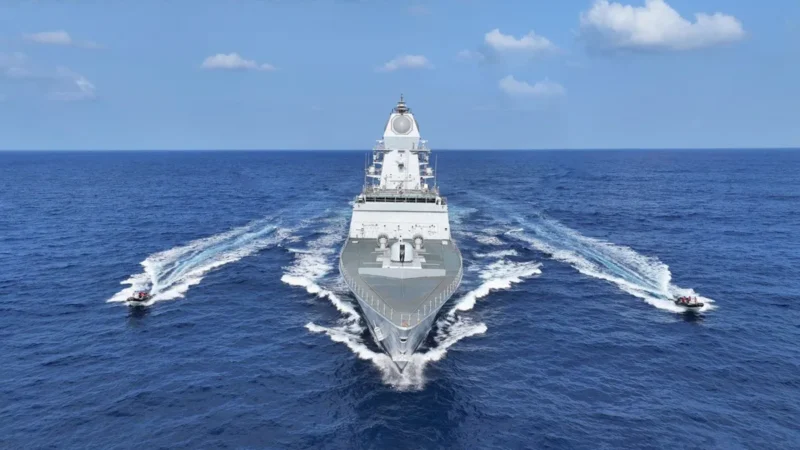
The Ministry of Defence has signed contracts worth ₹53,866.50 crore with Garden Reach Shipbuilders & Engineers Limited and Goa Shipyard Limited for the construction of eight Next Generation Corvettes for the Indian Navy. The agreement marks a major advancement in India’s maritime security strategy and indigenous warship manufacturing capabilities.
Under the agreement, GRSE will construct five corvettes while Goa Shipyard Limited will manufacture the remaining three. The contracts were signed in the presence of Defence Secretary Rajesh Kumar Singh at Kartavya Bhawan-2, New Delhi.
The project introduces an important milestone in India’s defence manufacturing framework, as the warships will be indigenously designed by the Indian Navy and constructed by Defence Public Sector Undertakings selected through a competitive process.
The next-generation vessels will feature advanced missiles, modern weapons systems and sophisticated sensor suites, enabling operations across air, surface and sub-surface domains. Their deployment will strengthen anti-surface and anti-submarine warfare capabilities, coastal defence, maritime surveillance and the protection of critical sea trade routes.
Industrial Impact and Employment Generation
Beyond military modernisation, the ₹53,866.50-crore programme is expected to strengthen India’s domestic shipbuilding ecosystem through greater participation of defence PSUs, private shipyards and Micro, Small and Medium Enterprises.
The project is projected to generate approximately 72 lakh person-days of employment in shipyards and another 460 lakh person-days in ancillary industries and MSMEs over the next ten years.
Governance and Policy Impact
The programme reinforces the government’s Aatmanirbhar Bharat and Make in India objectives by promoting indigenous technologies, domestic equipment, materials and engineering expertise. It will strengthen India’s defence industrial base, reduce import dependence and enhance long-term naval preparedness across strategically important maritime regions.