
Karnataka Integrates Power Generation, Transmission and Distribution Under One Digital Platform
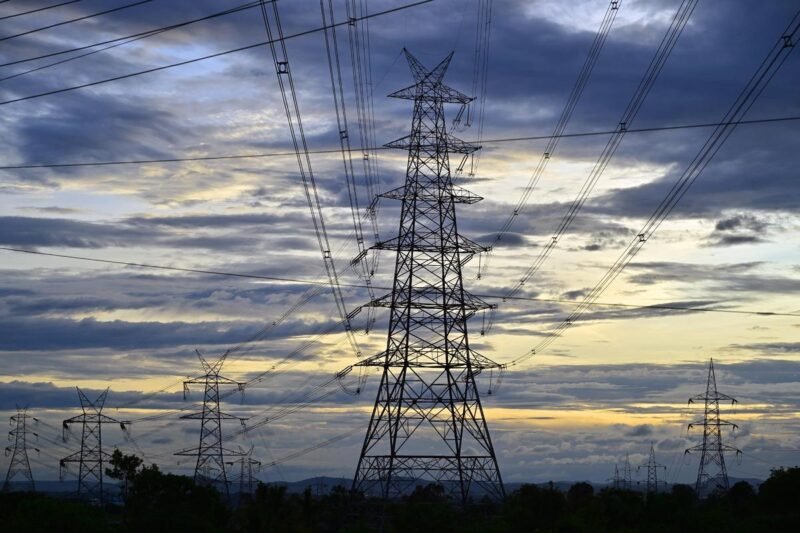
The Karnataka government is advancing a major digital transformation initiative in the electricity sector by bringing power generation, transmission and distribution operations under a single centralised digital platform. The initiative, known as KPTCL-GTD is being developed by Karnataka Power Transmission Corporation Limited to strengthen transparency, accountability, operational efficiency and financial management across the state’s power ecosystem.
Energy and Tourism Minister K.J. George has directed officials to accelerate the implementation of the project. KPTCL Managing Director V. Ram Prasath Manohar is overseeing the integration of data and workflows involving power generation companies, transmission agencies, electricity supply companies and other stakeholders.
The proposed platform will digitise and automate critical electricity-sector processes including power purchase and sale, billing, energy reconciliation, banking, open-access transactions and financial settlements. These activities are currently managed through separate systems and involve manual intervention at different stages. The integrated framework will enable stakeholders to access and monitor transaction records, billing information and financial settlements through a common digital interface.
The system will also incorporate a Meter Reading Interface , facilitating direct access to electricity meter data, including 15-minute block-level readings and interface-point information. Digital signatures and electronic approval mechanisms are also planned to reduce paperwork, manual processing and administrative delays. Integration with the Central Government’s PRAAPTI and NOAR portals is envisaged to improve coordination and data exchange.
Governance and Economic Impact
The initiative represents a shift towards technology-driven electricity-sector governance. Automated energy accounting and real-time monitoring are expected to minimise billing discrepancies, strengthen financial discipline, accelerate payment settlements and improve revenue realisation. Better coordination between generation, transmission and distribution agencies could also support more informed operational decisions.
For Karnataka, the project has the potential to establish a more accountable, data-driven and financially efficient electricity ecosystem, strengthening institutional coordination while supporting the state’s growing energy requirements.