Noida Metro Cuts Peak-Hour Waiting Time from November 1 as Ridership Hits Record High
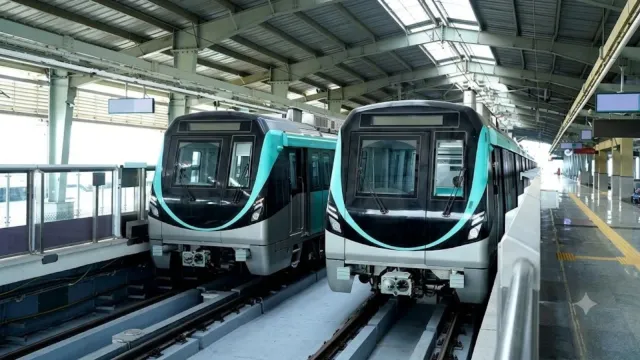
The Noida Metro Rail Corporation (NMRC) is set to increase train frequency on the Aqua Line during peak hours from November 1, 2026 reducing waiting time for daily commuters as passenger demand continues to rise. The move reflects a growing need to strengthen urban transport capacity across Noida and Greater Noida.
Reduced waiting time: The interval between trains will fall from 7 minutes 30 seconds to 6 minutes 35 seconds during peak hours.
Record passenger traffic: The Aqua Line carried 1,05,358 passengers on October 23, its highest-ever single-day ridership.
Rising daily demand: Average daily ridership increased from 73,298 passengers in August to 83,403 in September.
Late-night services under consideration: NMRC is examining a proposal to run the last train from Sector 51 towards Depot Station at 11:25 pm, subject to operational feasibility and final arrangements.
Policy Impact: Better Mobility for a Growing Urban Economy
The revised timetable is expected to improve commuter convenience, particularly for office employees, students and other passengers travelling during morning and evening rush hours. Reducing the gap between trains by 55 seconds can improve service availability and help accommodate higher passenger volumes although the actual impact on crowding will depend on train capacity and demand patterns.
The increase in ridership has coincided with passenger-focused initiatives, including QR-code-based ticketing, the National Common Mobility Card (NCMC) and improved interchange connectivity through the skywalk linking Noida Sector 51 Metro Station with Delhi Metro’s Sector 52 station on the Blue Line.
Governance Perspective: Frequency Must Match Connectivity
The development highlights the importance of integrating metro operations with last-mile connectivity, feeder transport and convenient interchange facilities. NMRC is also consulting stakeholders on improving access to metro stations. If implemented effectively, these measures could encourage greater public transport use reduce dependence on private vehicles and support more sustainable urban mobility.
The proposed late-night service extension could further benefit commuters but it remains under consideration and should not be treated as a confirmed timetable change.
Governance Bharat Assessment: Increasing peak-hour frequency is a practical response to rising demand. The next priority should be sustained service reliability, effective crowd management and stronger last-mile links to ensure that expanding ridership translates into a better daily commuting experience.