
India Targets $250 Billion in Engineering Exports by 2030; Government Pushes for Global Manufacturing Competitiveness
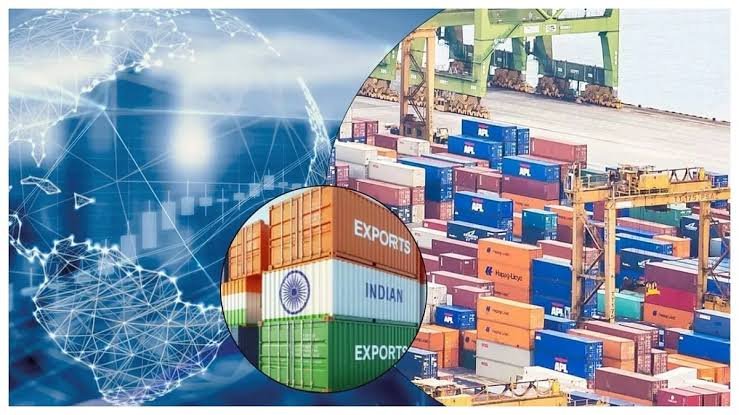
India has set an ambitious target of achieving $250 billion in engineering goods exports by 2030 with the Department of Commerce and the Engineering Export Promotion Council of India (EEPC India) intensifying efforts to strengthen manufacturing competitiveness, expand international market access and build resilient supply chains.
The strategy was discussed during a sector-focused Chintan Shivir held on October 23, 2026, bringing together policymakers, industry leaders and technical experts to identify measures for accelerating export growth. The discussions focused on better utilisation of free trade agreements, securing quality raw materials at competitive prices and improving India’s position in global engineering supply chains.
India’s engineering exports crossed $70 billion during the first half of FY 2026–27, registering nearly 20% year-on-year growth. The sector had already achieved record exports of $122.43 billion in FY 2025–26, underlining its growing importance to India’s manufacturing and merchandise trade.
Commerce Secretary Rajesh Agrawal highlighted the resilience of Indian exports amid global uncertainty, while Joint Secretary Vimal Anand urged EEPC India to consider a more ambitious target of $300 billion by 2030. EEPC India Chairman Pankaj Chadha expressed confidence that engineering exports could exceed $140 billion during the current financial year.
However, achieving the 2030 target will require addressing volatile input costs, supply-chain disruptions, global overcapacity and trade-protection measures. Quality Control Orders (QCOs), sustainability standards and climate-linked trade requirements are also emerging as important factors influencing exporters’ market access.
Governance Impact: The export expansion strategy could strengthen India’s manufacturing base, generate employment, improve industrial capacity utilisation and create opportunities for micro, small and medium enterprises (MSMEs). Effective implementation will depend on affordable raw materials, predictable regulations, technology adoption and stronger trade facilitation.
The target represents a broader policy ambition to move Indian manufacturing towards higher-value production and deeper integration with global markets. Sustained coordination between the government and industry will determine whether export growth translates into durable industrial competitiveness.