India’s Metro Network Targets 2,000-Km Milestone, Eyes World’s Second-Largest Position
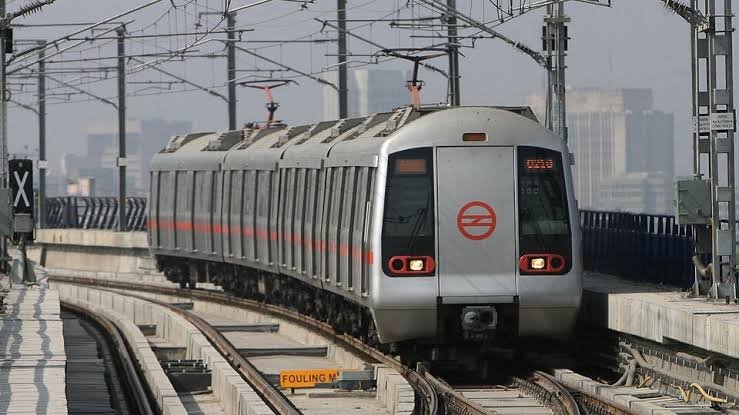
India’s metro rail network is approaching a major infrastructure milestone with Union Minister of State for Housing and Urban Affairs Tokhan Sahu stating that the country’s operational network is expected to cross 2,000 kilometres, positioning India as the world’s second-largest metro network after China.
Speaking at the 19th Urban Mobility India Conference and Exhibition 2026 in Bhubaneswar, Odisha, on October 23, Sahu highlighted the expansion of metro connectivity across the country. According to the minister, India’s operational metro network has grown from 248 kilometres across five cities in 2014 to more than 1,185 kilometres across 26 cities. Construction is underway on an additional 998 kilometres of metro lines, strengthening the pipeline for future urban transport capacity.
Urban Mobility and Economic Impact
The expansion reflects the growing role of mass rapid transit in managing urban congestion, improving commuter mobility and supporting economic activity. Metro systems can reduce dependence on private vehicles, improve travel-time reliability and help lower transport-related emissions, particularly when integrated with buses, feeder services and pedestrian infrastructure.
Sahu noted that nearly 1.5 crore passengers use metro services daily. He also highlighted the importance of digital ticketing, the National Common Mobility Card and the PM-eBus Sewa initiative in building a more accessible and integrated public transport ecosystem.
Governance Priorities Beyond Network Expansion
The next phase of metro development will require more than adding track kilometres. Timely project completion, financial sustainability, affordable fares, last-mile connectivity, universal accessibility and effective coordination between central and state governments will determine how effectively the expanded network serves commuters.
The government’s focus on urban mobility also reflects the wider economic significance of cities, which account for a substantial share of national economic output. Integrating metro corridors with residential areas, employment centres and other transport modes will be essential to maximise the benefits of infrastructure investment.
Governance Bharat Analysis: Crossing the 2,000-kilometre mark would strengthen India’s urban transport capacity, but the real measure of success will be reliable services, easier daily commutes and wider access to affordable public transportation.