Indian Oil to Cut Middle East Crude Dependence as Iran War Disrupts Supply Chains
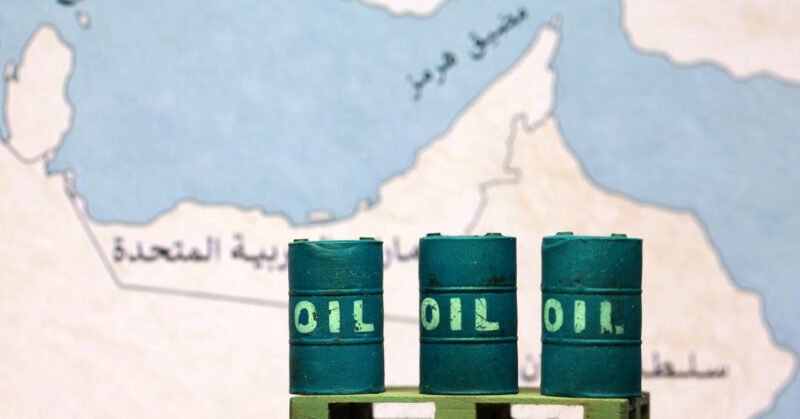
India’s largest state-owned refiner is recalibrating its crude procurement strategy for FY2027–28, prioritising supply security amid geopolitical uncertainty, shipping disruptions and rising freight costs.
Strategic Shift in Crude Procurement
Indian Oil Corporation (IOC), India’s largest state-owned oil refiner, plans to slightly reduce crude oil purchases from Middle Eastern suppliers under annual contracts during the 2027–28 financial year. The move comes amid prolonged conflict involving Iran, growing uncertainty over regional oil supplies and disruptions to maritime transportation through the strategically important Strait of Hormuz. The development was reported on October 21, 2026.
IOC had initially planned to source approximately 47% of its crude imports under free-on-board (FOB) annual contracts from Middle Eastern producers for the financial year ending March 2027. However, elevated shipping costs, attacks on vessels and concerns over the reliability of supply routes have prompted the company to reconsider its procurement mix.
Diversification and Procurement Flexibility
Indian refiners have traditionally depended on Middle Eastern crude because of geographical proximity and the availability of heavier, high-sulphur grades compatible with their refining infrastructure. However, continuing disruptions have encouraged refiners to explore alternative supplies through spot-market purchases and diversified sourcing.
Indian refiners have purchased additional crude from countries such as Brazil, Venezuela and Ecuador, while some have also sourced discounted Iraqi oil and increased Russian purchases during periods of supply disruption. Middle Eastern producers are now offering discounts and delivered-cargo arrangements to retain buyers and offset higher transportation costs.
Governance and Economic Impact
IOC’s decision highlights the growing importance of energy security in India’s economic and strategic planning. Diversifying crude sources can reduce exposure to regional conflicts, shipping bottlenecks and sudden price fluctuations. However, alternative supplies may involve longer transportation distances, different crude specifications and additional logistical costs.
For India, which remains heavily dependent on imported crude oil, the central policy challenge is to balance procurement costs, refinery requirements and uninterrupted domestic fuel availability. The evolving strategy reflects a shift towards flexible sourcing rather than exclusive dependence on established supply corridors.
Governance Bharat Perspective: India’s energy resilience will depend not merely on securing cheaper crude but also on diversifying suppliers, strengthening maritime logistics and maintaining the flexibility to respond to geopolitical shocks without compromising domestic energy security.