UP to Raise Honorarium of 60,000 Village Guards by ₹1,000, Monthly Payment to Reach ₹3,500
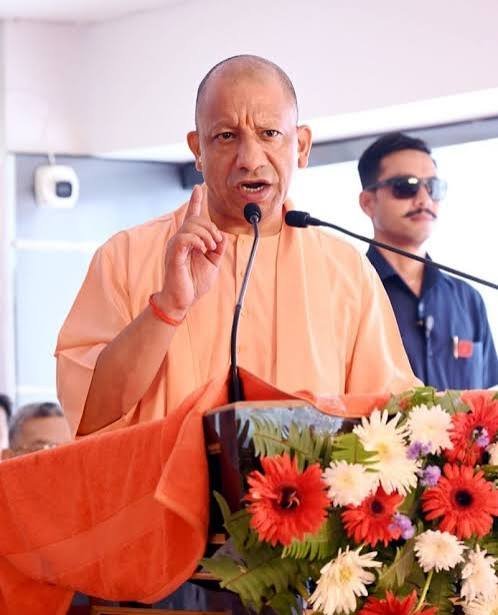
Uttar Pradesh is preparing to increase the monthly honorarium of approximately 60,000 Gram Praharis (village guards) from ₹2,500 to ₹3,500, providing additional financial support to personnel who assist the police in maintaining law and order in rural areas. According to a report published Chief Minister Yogi Adityanath is expected to announce the increase at a programme scheduled for October 13 at the Police Lines in Bareilly. The proposed revision would represent a 40% increase in their monthly honorarium.
Key Financial Impact
Under the proposed revision, each Gram Prahari would receive an additional ₹1,000 per month, translating into ₹12,000 in additional annual income. The revised monthly honorarium would amount to ₹42,000 annually, compared with ₹30,000 under the existing arrangement.
Gram Praharis operate at the village level, helping police authorities identify suspicious activities, report local disputes and communicate information relevant to public safety. Their proximity to rural communities makes them an important link between village residents and the formal law-enforcement system.
Why It Matters for Rural Governance
The proposed increase highlights the financial dimension of grassroots policing. Gram Praharis contribute to local intelligence gathering and early reporting of law-and-order concerns, particularly in villages where police personnel may not be continuously present. Improving their remuneration could help address longstanding demands for better financial support and recognise their role in maintaining rural security.
However, the announcement and implementation of the revised honorarium remain subject to the official declaration and applicable government orders. The timing of implementation and payment under the revised rates will need confirmation through an official notification.
Governance Perspective: The proposal places grassroots policing personnel within the broader discussion on administrative capacity, rural security and the financial recognition of frontline workers. Effective implementation and timely payments will be important to ensure that the proposed increase translates into tangible benefits for village-level personnel.