India’s Road Construction Pace May Slow to 21 Km/Day in FY27 as Execution Challenges Rise
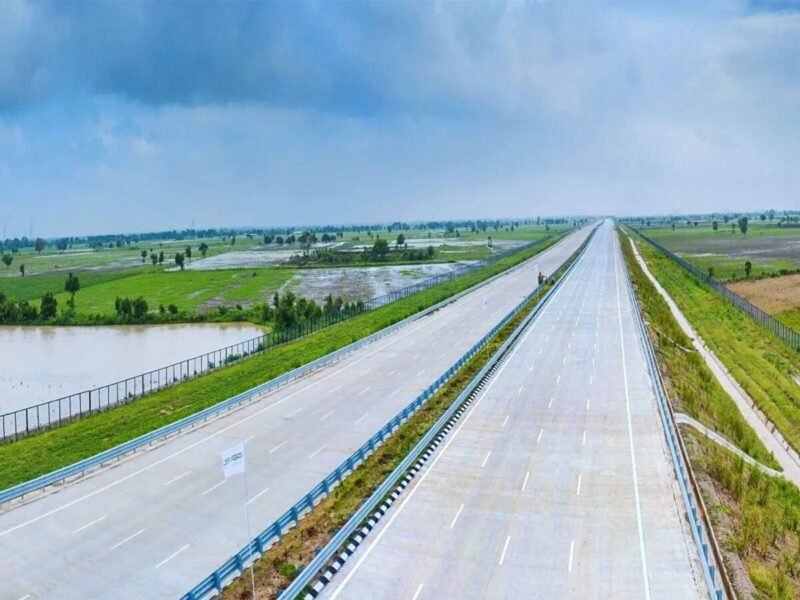
India’s road infrastructure sector is entering a more execution-focused phase, with road construction expected to moderate to around 21 km per day in FY27, equivalent to nearly 7,750 km during the year, according to CareEdge Ratings. The projected pace is lower than around 25 km per day estimated for FY26 and significantly below the peak of 36.8 km per day recorded in FY21.
The moderation is linked to lower National Highway awarding activity and persistent execution constraints. NH awards, which peaked at 12,731 km in FY22 are estimated at around 7,000 km in FY26. CareEdge has also highlighted delays in project execution, including land acquisition and other implementation bottlenecks, as factors affecting construction momentum.
Shift Towards State-Led Infrastructure Spending
A significant structural change expected in FY27 is the increasing role of state governments in road-sector capital expenditure. CareEdge expects state road capex to outpace central spending, reflecting greater emphasis on regional and intra-state connectivity while National Highway awards remain comparatively subdued.
India’s overall road network expanded from approximately 52.30 lakh km in FY16 to 63.73 lakh km in FY26, while the National Highway network rose from about 1 lakh km to 1.47 lakh km. Government and private road capex also increased from ₹0.94 lakh crore to ₹2.62 lakh crore over the same period.
Governance & Policy Implications
The outlook indicates a transition from rapid network expansion towards execution quality, project completion, operationalisation and asset monetisation. CareEdge noted that the revised BOT-Toll framework and a stronger award pipeline could support the sector, although execution bottlenecks may continue to constrain construction activity. Operational HAM and toll-backed assets could provide greater cash-flow visibility and support infrastructure monetisation.
The FY27 outlook therefore places greater importance on timely land availability, project execution, state-level capital expenditure and improved contracting frameworks to sustain India’s long-term connectivity and infrastructure objectives.