
Satya Niketan Building Collapse: Questions Over Civic Oversight and Structural Safety
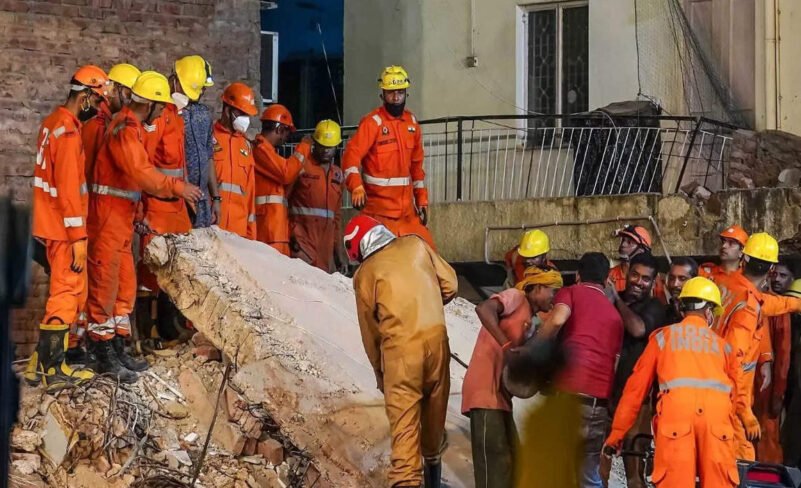
The tragic collapse of a five-storey paying-guest accommodation in Delhi’s Satya Niketan has raised serious questions over building safety, regulatory compliance and the effectiveness of municipal monitoring. The incident has brought renewed attention to whether visible warning signs and reported violations were adequately identified and addressed before the structure failed.
According to preliminary reports, the collapsed property had unauthorised structural additions and ongoing repair work in the basement and ground floor. Reports have also raised concerns regarding the absence of a sanctioned building plan, inadequate safety provisions and the lack of an emergency exit. These factors have intensified scrutiny of the enforcement mechanisms responsible for ensuring compliance with building regulations.
The situation is particularly concerning because the locality has witnessed previous building-related incidents. A 2022 collapse in the same area had already highlighted the risks associated with ageing structures and construction activity. Residents have also reportedly pointed to cracks and other physical indicators of structural distress, raising questions about whether routine inspections and timely preventive action were sufficient.
Following the latest tragedy, the Municipal Corporation of Delhi has initiated action, including scrutiny of nearby unsafe structures and the suspension of five South Zone officials. Authorities have also moved to identify and seal unauthorised constructions in the area.
From a governance perspective, the incident underscores the need for stronger preventive regulation rather than post-disaster intervention. Regular structural audits, transparent inspection records, strict action against unauthorised construction, accountability at supervisory levels and mandatory safety certification for high-occupancy premises can strengthen urban resilience.
The key question now is not merely why the building collapsed, but whether the available warning signals were acted upon in time. A transparent investigation should establish responsibility and help create a more effective framework for preventing similar tragedies.