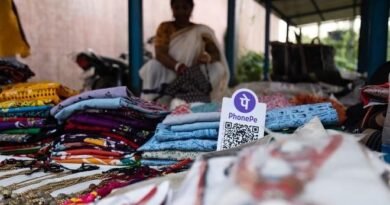
Lakhpati Didi Initiative: 3.76 Crore Rural Women Empowered Centre Targets Six Crore by March 2029

The Government of India is accelerating its Lakhpati Didi Initiative to strengthen women’s economic independence, promote rural entrepreneurship and increase household incomes through sustainable livelihood opportunities. According to the Ministry of Rural Development, 3.76 crore women associated with Self-Help Groups had achieved Lakhpati Didi status by June 2026. The government has set an ambitious target of creating six crore Lakhpati Didis by March 2029.
Announced on August 15, 2023, the initiative operates under the Deendayal Antyodaya Yojana–National Rural Livelihoods Mission . A Lakhpati Didi is an SHG member whose household earns an annual income of at least ₹1 lakh through sustainable agricultural, non-agricultural and other livelihood activities. The income benchmark must be maintained across at least four agricultural seasons or business cycles.
Livelihood Diversification and Enterprise Development
The initiative focuses on transforming rural women from beneficiaries of welfare programmes into independent income generators and entrepreneurs. Women receive support through skill development, financial literacy, access to institutional credit, livelihood assets, business planning and market linkages. Community Resource Persons help identify potential beneficiaries and prepare household-level livelihood plans.
An independent assessment by IIM Ahmedabad, covering 6,531 respondents across 17 states and Union Territories, reported a 61% increase in average monthly household income and a 61.7% rise in average monthly savings among Lakhpati Didi households.
Market Access and Economic Impact
The programme is also strengthening the rural enterprise ecosystem through digital livelihood records, product development, market connections and institutional partnerships. The government’s strategy includes expanding opportunities for women-led businesses through dedicated marketing infrastructure and improved access to buyers.
The initiative’s next challenge is to ensure that income growth remains sustainable rather than becoming a one-time achievement. Its success will depend on stronger market access, enterprise competitiveness and continuous financial support, positioning rural women as contributors to India’s broader economic growth.