
CCPA Cracks Down on Ola’s ‘Pay More for Faster Rides’ Model, Imposes ₹10 Lakh Penalty
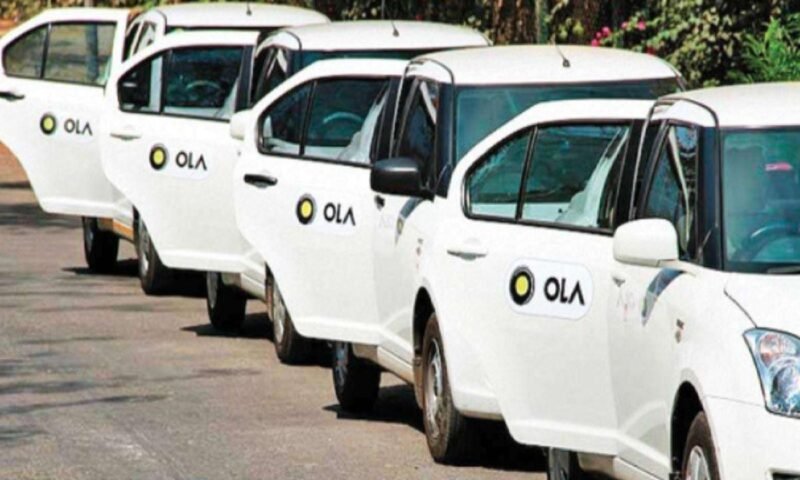
The Central Consumer Protection Authority has imposed a penalty of ₹10 lakh on ANI Technologies which operates the Ola cab-hailing platform, for misleading consumers through its advance tipping feature. The authority has directed the company to discontinue the practice of soliciting additional payments before a driver accepts a ride booking, reinforcing regulatory scrutiny over digital consumer platforms.
In its November 10, 2026 order, the CCPA held that Ola’s practice of encouraging passengers to pay extra to improve their chances of securing a faster ride constituted misleading advertising, an unfair trade practice and an unfair contract under the Consumer Protection Act, 2019.
The proceedings originated from a consumer complaint received in May 2025. Ola’s application displayed prompts such as “Adding a tip might help increase the chances of getting a ride faster.” Customers were initially offered additional payment options ranging from ₹10 to ₹40 with the amount permitted to increase up to ₹499.
The authority found that the company’s own booking data contradicted its claims. In Delhi, approximately 32% of ride requests involving an additional payment were accepted, compared with 68% of requests without an add-on. Similar findings emerged from Bengaluru, where acceptance rates were significantly higher for bookings without additional payments.
The CCPA also identified the feature as a dark pattern involving psychological pressure, undermining consumers’ freedom to make informed choices. It rejected Ola’s argument that the payment was merely a voluntary tip, observing that tipping ordinarily follows the delivery of a service rather than preceding ride confirmation.
Regulatory Impact: The authority has directed Ola to remove all prompts, messages and interface designs encouraging advance payments and submit a compliance report within 15 days. The action signals stronger enforcement against manipulative digital practices and establishes that technology platforms cannot shift commercial pressures onto consumers through misleading interface designs.
The decision reinforces accountability, transparent pricing and fair competition in India’s rapidly expanding digital mobility ecosystem.