Supreme Court Places Responsibility on Uttar Pradesh to Ensure Release of Bail-Granted Undertrials
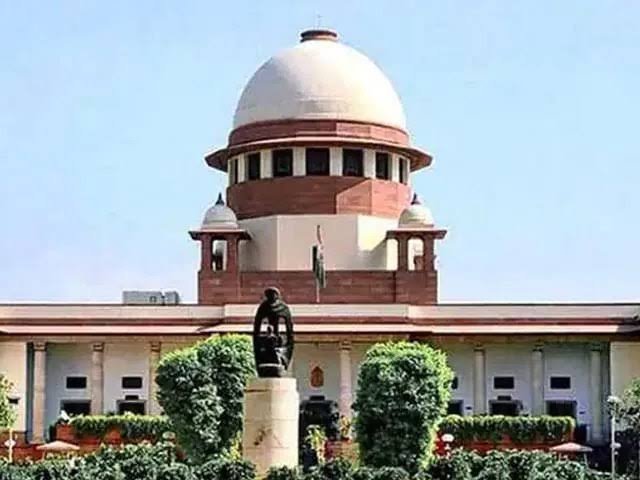
The Supreme Court has underscored the responsibility of the Uttar Pradesh government to ensure that undertrial prisoners who have been granted bail are actually released from custody, highlighting the gap between judicial relief and its implementation at the ground level.
The observation brings attention to the challenges faced by prisoners who continue to remain behind bars despite securing bail due to procedural delays, documentation requirements, financial constraints or administrative inefficiencies. The issue raises serious questions about the effectiveness of the criminal justice delivery system and the enforcement of fundamental rights.
The Court’s position reinforces that granting bail through a judicial order is not sufficient unless the state machinery ensures its timely execution. Prison authorities, district administration, police and other concerned agencies must coordinate to prevent avoidable delays in releasing eligible prisoners.
The Supreme Court was informed that 264 undertrial prisoners across 20 district jails had secured bail. However, only 158 had been released while 106 remained in custody as of the reported assessment. The Court has also directed the state to extend the identification exercise to the remaining 55 districts, covering all 75 districts of Uttar Pradesh.
Importantly the Bench clarified that District Legal Services Authorities must provide assistance even to prisoners represented by private advocates. Legal aid cannot be denied merely because an accused has engaged a private lawyer. The concerned trial courts have also been requested to reconsider and suitably modify restrictive bail conditions wherever necessary.
Governance Impact: The directive places accountability on the state administration to bridge the gap between judicial orders and their implementation. It also strengthens access to justice for economically weaker prisoners ensuring that poverty, inability to arrange sureties or procedural hurdles do not become barriers to personal liberty. Effective coordination between prisons, DLSAs and trial courts will be critical to translating the Supreme Court’s directions into measurable outcomes.