Supreme Court Clarifies OBC Creamy Layer Rules, Reinforces Salary-Based Exclusion Criteria
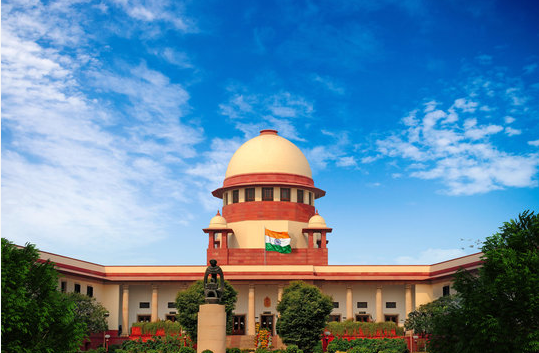
The Supreme Court’s clarification on the computation of parental income for determining Other Backward Classes creamy layer status is significant for ensuring consistency and fairness in the implementation of reservation policies. The issue concerns how the income of parents is assessed while deciding whether an individual belongs to the non-creamy layer category and is eligible for OBC reservation benefits.
The Court clarified that its March 11, 2026 judgment will not automatically reopen previously concluded selections, appointments, promotions or seniority positions. It also ruled that the Centre’s request to make the judgment applicable only prospectively cannot override the rights recognised under the original ruling.
A significant implication concerns the Civil Services Examination 2025. Although the results were declared on March 6, 2026, the allocation of services had not been finalised. The Supreme Court directed that the revised interpretation of creamy layer criteria must apply to the allocation of services to OBC candidates selected through this examination.
The ruling stems from a dispute involving the interpretation of the Government’s 1993 Office Memorandum and a subsequent clarification issued in 2004. The 1993 framework provides for status-based exclusion and excludes salary and agricultural income from the income test where that test applies. The 2004 clarification had introduced a different approach for certain PSU and private-sector employees.
The Supreme Court held that similarly placed candidates cannot be treated differently merely because their parents work in government departments, public sector undertakings or private organisations. The decision reinforces the constitutional principles of equality under Articles 14 and 16.
Governance Impact: The clarification provides greater legal certainty in implementing OBC reservation rules while protecting completed appointments and service-related rights. It also establishes that parental salary alone cannot become an automatic ground for excluding candidates from reservation benefits, strengthening transparency, equality and consistency in public recruitment.