
Private Firm Workers Organise Search for 150 Missing Colleagues in Nepal
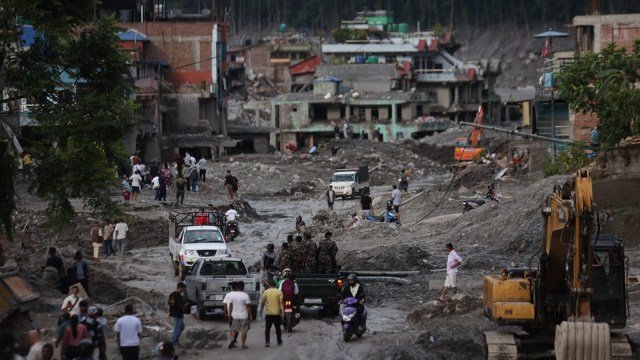
Workers of a private company in Nepal have organised an independent search-and-coordination effort to locate around 150 colleagues reported missing following the recent crisis. Operating from their own makeshift “war room”, the workers are collecting information, coordinating with families and monitoring available updates from authorities and rescue agencies.
The initiative highlights the critical role of community-led coordination during emergencies, particularly when official response mechanisms are dealing with a large number of missing-person cases. The workers are reportedly compiling names, contact details and last-known locations to help establish a consolidated database of those who remain unaccounted for.
From a governance perspective, the situation underlines the importance of an integrated missing-person tracking system, timely information sharing and effective coordination between government agencies, private organisations, local administrations and affected families. Such mechanisms can help reduce duplication of efforts and improve the efficiency of search-and-rescue operations.
Authorities may also need to strengthen communication channels so that verified information reaches families and organisations without unnecessary delays. Maintaining accurate records and establishing designated coordination centres can support both immediate rescue operations and subsequent identification and rehabilitation efforts.
The workers’ initiative demonstrates the importance of public participation and institutional cooperation during emergencies. A coordinated approach involving government agencies, civil society, private-sector institutions and local communities can enhance disaster response capacity and ensure that affected families receive timely and reliable information.