
Supreme Court Directs Strict Enforcement of Dowry Laws and Expeditious Trials
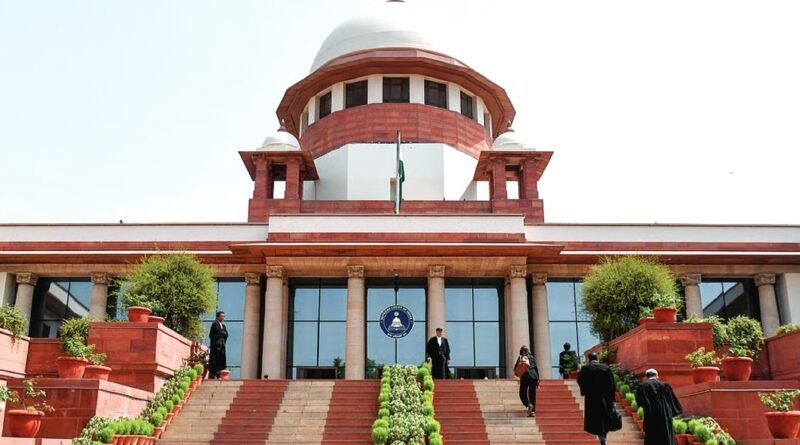
The Supreme Court has issued a series of directions aimed at strengthening the implementation of laws dealing with dowry-related offences and ensuring timely disposal of cases involving cruelty, harassment and dowry deaths.
A Bench of the Supreme Court directed States, Union Territories and High Courts to ensure effective enforcement of the legal framework, including the functioning of Dowry Prohibition Officers. The Court also emphasised the need to accord priority to cases relating to dowry death and cruelty, covered under Sections 304-B and 498-A of the Indian Penal Code and their corresponding provisions under the Bharatiya Nyaya Sanhita, 2023.
The Court stressed that prolonged pendency of such cases can undermine the objectives of the law and delay access to justice. Accordingly, authorities have been directed to strengthen monitoring mechanisms and facilitate speedy proceedings in long-pending matters.
The Supreme Court has further mandated periodic reporting by High Courts and States/Union Territories. Compliance and status reports are to be submitted on January 15, May 15 and September 15 each year until there is a substantial reduction in the pendency of cases under the relevant dowry-related provisions and the Dowry Prohibition Act.
The directions underline the importance of coordinated action among law-enforcement agencies, prosecution authorities and the judiciary. Effective institutional monitoring, timely investigation and expeditious trials are expected to improve enforcement and strengthen public confidence in the justice-delivery system.
The Court’s intervention reinforces the broader objective of ensuring that statutory safeguards against dowry harassment and related offences are implemented effectively, while judicial processes remain timely, accountable and responsive.